
Author Archives: Seamus Carey

Author: Seamus Carey

Seamus began his journey with Clancy at just 14, starting in the Library Division. Every summer, he returned to build on his growing knowledge and experience within Clancy’s diverse operations. After completing high school and gaining valuable internships throughout college at Clancy, he took on the role of crew leader in the Datacenter Relocation division, specializing in managing and relocating equipment in raised floor environments. By 2021, Seamus had transitioned into the position of Operations Manager for the Household Moving Division. In 2024, he expanded his expertise further by joining the sales team.

Table of Contents

Key Takeaways

Cost of Living Comparison

Moving Costs & Services

Hiring Professional Movers

DIY Moving Options

Additional Costs to Consider

Tips for a Budget-Friendly Move

Frequently Asked Questions

Make Moving from CT to NYS Hassle-Free with Expert Help!

Key Takeaways

When relocating to New York, factor in the higher cost of living, including pricier housing, utilities, and daily necessities.

Moving costs vary based on factors such as home size, distance, and the choice between professional movers or a DIY approach.

Planning ahead, comparing quotes, and downsizing belongings can significantly reduce moving expenses and make relocation more cost-effective.

Relocating from Connecticut to New York involves several expenses, including moving services, transportation, and adjustments to a new cost of living. The total cost depends on factors such as home size, moving distance, and whether a professional moving company or a DIY approach is chosen. Additionally, expenses like utilities, housing, and daily essentials may vary between the two states.

Here are key cost factors to consider when planning the move.

Cost of Living Comparison

Connecticut to New York moving costs involve various financial changes beyond the most itself, particularly in the cost of living. Understanding these differences can help in budgeting and making informed decisions. 

Housing Costs

Housing is one of the most significant expenses when relocating. The cost of renting or buying property varies widely between Connecticut and New York, depending on the city and neighborhood.

  • Rent Prices: Rental costs in New York State are generally higher than in Connecticut, especially in major cities like New York City. For instance, a one-bedroom apartment in Manhattan can cost over $3,500 per month, while a similar unit in a Connecticut city like Stamford averages around $2,200.
  • Home Prices: Purchasing a home in New York State tends to be more expensive than in Connecticut. For instance, the median home price in cities in NYS like NYC exceeds $700,000, while in Connecticut, homes can be found at a median price of around $400,000.
  • Property Demand: The demand for housing in New York State, particularly in urban areas, often leads to competitive pricing. Connecticut offers more suburban and rural housing options, often with larger properties for lower prices.

Utility Costs

Utility costs in both Connecticut and New York are among the highest in the nation. In New York, the average monthly utility bill is $477, including $175 for electricity and $100 for natural gas, plus water and internet expenses. 

Connecticut’s utility costs are slightly higher, with electricity averaging $175 per month, and Forbes estimating total utilities at $533 monthly. Factors like energy supply and seasonal demand contribute to Connecticut’s higher rates compared to New York.

Taxes and Valuation

Taxes and valuation costs differ between Connecticut and New York, impacting overall affordability.

Tax Rates

New York and Connecticut have different tax structures that can affect take-home income.

Valuation Costs

Valuation rates also vary based on location and coverage needs.

  • Car Valuation: Car valuation in New York is more expensive, with average full coverage premiums around $3,967 per year, influenced by fraud claims, high traffic volume, and population density. On the other hand, Connecticut’s full coverage valuation rates average about $2,717 per year.
  • Home Valuation: Home valuation rates in Connecticut average around $1,660 per year. In New York, premiums can be higher, averaging at $1,752 annually.

Daily Expenses

The cost of daily necessities such as groceries, dining, and healthcare also varies, which can affect expectations for Connecticut to New York moving costs.

Grocery and Food Costs

In New York City, the average single person spends between $2,800 and $3,200 on groceries annually. Food also costs 40% more than in other cities in NYS like Syracuse, which can significantly inflate a household’s grocery bill. 

On average, New Yorkers spend $3,470 per year on restaurant meals, which is the third-highest amount in the country. So, for those who enjoy dining out, a larger food budget is necessary.

On the other hand, Connecticut’s grocery prices are generally in line with those across the United States. As of 2021, U.S. households spent an average of $5,259 per year, averaging $438 per month.

Healthcare

New York has some of the highest healthcare costs in the country, with average annual medical expenses reaching $6,734 per person. Costs are driven by hospital services, prescription medications, and medical procedures. While healthcare in New York is expensive, the state is home to some of the nation’s top hospitals, making the higher cost potentially worthwhile.

In Connecticut, healthcare expenses vary based on valuation coverage and individual needs. While generally lower than in New York, costs can still be significant. It is essential to research valuation options and consult healthcare providers to better understand potential medical expenses when considering the overall cost of living.

Moving Costs & Services

Moving from Connecticut to New York involves various expenses beyond just transportation. Understanding the costs associated with different moving options can help in making informed decisions. While exact prices depend on several factors, it’s always a good practice to reach out to trusted moving companies, such as Clancy Relocation & Logistics, for accurate estimates.

Hiring Professional Movers

Professional movers offer a convenient and stress-free way to relocate. These services typically include packing, loading, transportation, and unloading. The cost of moving from Connecticut to New York depends on several factors, and movers are usually categorized into the following types:

  • Full-Service Moving Companies: Provide end-to-end services, including packing, furniture assembly, and transportation, making the move seamless.
  • Specialty Moving Services: Handle delicate items such as antiques and artwork, ensuring safe transport with specialized equipment.

How to Choose a Moving Service

Choosing the right moving service is essential for a smooth relocation. Several factors should be considered to make a smart decision. 

  • Evaluate Reputation and Reviews: Checking customer reviews on platforms like Google and Yelp provides insight into a company’s reliability. Recommendations from friends or family can also help in finding trusted movers.
  • Confirm Licensing and Valuation: Movers should be registered with the U.S. Department of Transportation (USDOT) for interstate moves. Valuation coverage should also be verified to ensure belongings are protected during transit.
  • Assess Service Offerings: Some movers offer full-service options that include packing and unpacking, while others provide labor-only services. Specialty movers should be considered for delicate or high-value items.
  • Ask About Delivery Timelines: Some companies provide guaranteed delivery dates, while others operate on flexible schedules. Real-time tracking options can help monitor shipment progress.
  • Review the Contract Carefully: All terms, conditions, and pricing should be clearly stated in writing. Understanding cancellation policies and additional fees prevents unexpected charges.

DIY Moving Options

For individuals looking to cut costs, a do-it-yourself (DIY) move can be a practical alternative. The Connecticut to New York moving cost for DIY options depends on the method chosen, rental duration, and additional expenses such as fuel and tolls.

  • Rental Trucks: Offer flexibility for those comfortable handling the move independently. Truck sizes vary, allowing renters to select a vehicle based on their household size.
  • Moving Containers: Provide a cost-effective solution where a portable container is delivered, packed at one’s own pace, and transported to the new location.
  • Cargo Vans & Small Vehicle Rentals: Suitable for smaller moves, such as studio apartments or single-room relocations, offering an economical alternative to larger trucks.

Additional Costs to Consider

Beyond transportation, other costs can impact the total expense of moving from Connecticut to New York. Factoring in these expenses can help avoid surprises.

  • Packing Supplies: Boxes, bubble wrap, packing tape, and furniture covers add to the overall cost, especially for larger households.
  • Storage Fees: Some movers may need temporary storage for belongings if there is a gap between move-out and move-in dates. Storage unit costs vary by size and location.
  • Valuation & Liability Coverage: Moving companies offer different levels of coverage for lost or damaged items, while rental truck providers may have additional valuation options.
  • Fuel & Tolls: For DIY moves, fuel consumption and toll charges along highways should be factored into the budget.
  • Hidden Fees: Some moving companies charge extra for stairs, long carry distances, or last-minute booking changes. Reviewing estimates carefully helps avoid surprise charges.

Tips for a Budget-Friendly Move
Budget-Friendly Move

Moving from one state to another can be expensive, but with the right planning, costs can be minimized. Whether hiring movers or opting for a do-it-yourself approach, saving money during relocation is possible with careful decision-making. 

Here are some practical ways to reduce expenses when moving from Connecticut to New York:

1. Find Free or Affordable Packing Supplies

Packing materials can quickly add up, but there are ways to get them for free or at a reduced price. Many local grocery, liquor, or retail stores give away sturdy boxes that are still in good condition. 

Instead of purchasing bubble wrap or foam padding, household items like towels, blankets, and clothing can be used to protect fragile belongings. Some moving companies and online marketplaces sell used moving boxes and supplies at a fraction of the original cost, offering another way to cut expenses.

2. Avoid Hidden Moving Costs

Unexpected fees can drive up the Connecticut to New York moving cost, so it’s crucial to anticipate potential extra expenses. Carefully reviewing moving contracts helps prevent surprises like fuel surcharges, extra labor fees, or storage charges. 

Canceling utilities on time is another important step—paying for electricity, water, or internet beyond the actual move-out date is an unnecessary expense. Measuring furniture and doorways ahead of time ensures that all large items fit into the new home, preventing last-minute storage or disposal costs.

3. Book Movers in Advance

Early booking helps secure lower prices and ensures the availability of a preferred moving company. In some cases, scheduling a move at least a month in advance prevents last-minute stress, reduces the likelihood of scheduling conflicts, and gives you more flexibility in choosing your ideal moving date. Additionally, booking early provides ample time to prepare, allowing you to better organize your belongings and avoid rushed decisions.

However, pricing and availability will vary based on the moving company and location. Some movers may also increase their rates as the move date approaches, so locking in a price early can provide cost stability. Those with flexible schedules can take advantage of discounted rates by allowing movers to select a date that fits their availability. For accurate pricing, consider contacting reputable moving services like Clancy Relocation & Logistics.

4. Sell Unwanted Items

Reducing the number of belongings being moved can lower costs. However, pricing and savings will vary based on the moving company and specific services chosen, so it is recommended to contact a reputable moving service like Clancy Relocation & Logistics for accurate pricing and professional assistance. Also, selling unused or unnecessary items before the move not only lightens the load but also provides extra cash. Online marketplaces like Facebook Marketplace, Craigslist, and eBay are great platforms for selling furniture, electronics, and household goods. 

Hosting a garage sale is another way to get rid of unwanted items while earning money. For larger furniture, local thrift stores and second-hand shops may be interested in purchasing gently used pieces.

5. Donate or Give Away Items

For items that cannot be sold, donating or giving them away is a great way to clear space while helping others. Some charities accept furniture, clothing, and household goods. 

Some organizations also offer free pick-up services for larger donations, eliminating the hassle of transportation. Friends or family members may also be interested in taking useful items that are no longer needed. This prevents waste while reducing the cost of moving excess belongings.

Frequently Asked Questions

How can I make moving days less stressful?

Preparation is key to a smooth moving day, so start by packing well in advance and having everything ready to go before the movers arrive. Make sure all boxes are labeled clearly and organized by room to make unpacking easier. If you’re moving into an apartment building in New York, check if you need to reserve an elevator or obtain a parking permit for the moving truck. Have a small bag with essentials like toiletries, a change of clothes, and important documents to keep with you during the move. If possible, arrive at your new home before the movers to ensure everything goes where it should. 

What is the best time of year to move from Connecticut to New York?

The best time to move depends on factors like weather, rental availability, and personal schedules. Many people move in the summer because of school schedules and better weather, but this is also the most expensive and busiest time for movers. Fall and spring are ideal because the weather is mild, and moving companies tend to be less booked, making it easier to schedule your move. Winter moves can be cheaper, but snow and icy roads can create challenges, especially if you’re moving heavy furniture. However, pricing can vary depending on the provider. For more accurate pricing to help you find the best time of year to move, contact reputable moving services like Clancy Relocation & Logistics.

What are the biggest challenges of moving from Connecticut to New York?

One of the biggest challenges is adjusting to a faster-paced environment, especially if you’re moving from a quiet Connecticut suburb to a busy New York. Finding affordable housing in a desirable neighborhood can also be difficult due to high demand and competitive rental markets. If you’re used to driving everywhere in Connecticut, transitioning to public transportation or dealing with limited parking can take some getting used to. 

What is the best way to transport pets when moving from Connecticut to New York?

If you’re driving, make sure your pet is secured in a carrier or travel crate to prevent stress during the journey. For long-distance moves, consider pet-friendly hotels or rest stops along the way if you need an overnight stay. Update your pet’s ID tags and microchip information with your new address to prevent any issues if they get lost. Once you arrive, help them adjust by gradually introducing them to their new space and keeping familiar items, like their bed and toys, close by.

What should I pack first when preparing for my move from Connecticut to New York?

Start by packing items you don’t use daily, such as seasonal clothing, decorations, and rarely used kitchen gadgets. Fragile items should be wrapped securely in bubble wrap or packing paper to prevent damage during transit. If you’re hiring movers, make sure all valuables, such as jewelry and important paperwork, are kept with you instead of being packed in the moving truck.

Make Moving from CT to NYS Hassle-Free with Expert Help!

Moving between Connecticut and New York State can be overwhelming, but Clancy Relocation & Logistics makes the process smooth and stress-free. With professional packing, secure transportation, and reliable service, every step of the relocation is handled with precision. Whether relocating a home or business, trust a provider with the experience and expertise to ensure a seamless transition between CT and NYS. 

Get a free quote today and experience a worry-free move with Clancy Relocation & Logistics!
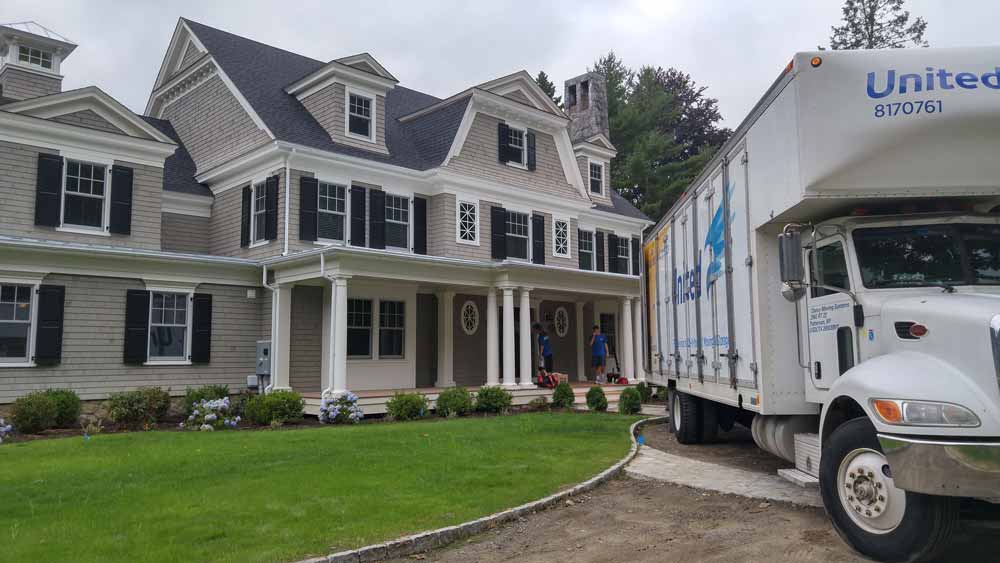
Table of Contents

Key Takeaways

Who’s Moving to Connecticut?

Major States Driving Migration to Connecticut

Broader Migration Trends

Political and Economic Implications

Hartford as One of Connecticut’s Most Popular Destinations

Frequently Asked Questions

Make Moving to Hartford Easier with Clancy Relocation & Logistics!
Key Takeaways

Connecticut is attracting new residents, primarily from neighboring states, due to its affordability, job opportunities, and suburban appeal.

Most new residents are coming from New York and Massachusetts, with additional movers from Florida, New Jersey, and California.

Connecticut has reversed years of population decline, seeing post-pandemic growth driven by urban-to-suburban relocation patterns.

Population gains have strengthened Connecticut’s economy, but outmigration to southern states like Florida and Texas remains a challenge.

Hartford stands out as a top choice for movers, offering career opportunities, cultural attractions, and a balance between city and suburban living.

As more people seek affordable living, career opportunities, and a better quality of life, Hartford stands out as a prime choice within Connecticut. With its central location, expanding industries, and dynamic cultural scene, the city attracts professionals, families, and retirees alike.

But what’s driving this influx of new residents? Understanding where people are moving from and why they are choosing Hartford provides insight into the city’s continued appeal as a place to live and work.

Here’s a closer look at the key trends behind Hartford’s rising popularity.

Who’s Moving to Connecticut?

Connecticut has experienced a significant shift in population dynamics, particularly in the wake of the COVID-19 pandemic, as people seek out more suburban and affordable areas. Based on released U.S. Census Bureau data, much of this growth is fueled by migration from other states, with a strong emphasis on neighboring and nearby regions.

Major States Driving Migration to Connecticut

While many states contribute to the influx of new residents in Connecticut, some states stand out as major contributors to the migration.

  • New York: New York remains the largest source of movers to Connecticut, with 38,029 residents making the move in 2021. This strong migration flow reflects the appeal of Connecticut’s relatively lower housing costs, suburban lifestyle, and proximity to major cities like New York City.
  • Massachusetts: Connecticut received 13,113 movers from Massachusetts in 2021, making it the second largest contributor. The proximity between the two states likely drives this trend.
  • Florida: With 7,858 residents moving from Florida, this southern state also played a notable role in Connecticut’s inbound migration.
  • California: Despite being on the opposite coast, 7,590 movers arrived in Connecticut from California.
  • New Jersey: Contributing 6,568 movers, New Jersey is another key state feeding into Connecticut’s population growth. 

Broader Migration Trends

In 2021, Connecticut saw a net increase of 10,040 residents from other states, continuing a post-pandemic trend of population recovery. This marks a dramatic reversal from pre-pandemic years like 2019, where the state experienced a net loss of over 15,000 residents. 

  • Regional Gains: Connecticut’s overall population growth in 2021 was largely driven by residents from New York and Massachusetts, which contributed a combined net gain of 47,442 residents. 
  • Sunbelt Losses: Despite the influx of residents, Connecticut continues to see losses to warmer, lower-cost states like Florida, which resulted in a net loss of 6,144 residents, and South Carolina (3,736 net loss). The state also lost residents to Texas (2,053) and North Carolina (353), reflecting a broader trend of migration to the Sunbelt region.

Political and Economic Implications

The migration trends have become a significant political talking point in Connecticut. Historically, the Northeast has struggled with population declines due to outmigration to warmer and more affordable states. However, the pandemic-era population increases suggest a renewed interest in Connecticut’s cities and suburbs.

  • Connecticut’s Rising Popularity: Governor Ned Lamont has highlighted these population gains as a sign of Connecticut’s growing appeal. The state’s response to the pandemic, its suburban amenities, and relative affordability compared to cities like New York have made it a top choice for those relocating.
  • Southern Migration Challenges: Despite these gains, outmigration to the South continues to pose a challenge. Florida, in particular, remains the top destination for former Connecticut residents, driven by lower taxes, warmer weather, and retirement-friendly policies.

Hartford as One of Connecticut’s Most Popular Destinations

As the state capital, Hartford, CT, stands out as one of the most sought-after destinations for new residents in Connecticut. With ongoing development and a strong sense of community, the city continues to attract people from across the region.

1. Strategic Location

Hartford’s popularity as a destination for new residents can be attributed to its strategic location. Its placement within the region offers convenience, connectivity, and unique advantages for individuals and families seeking a balance between suburban and urban lifestyles.

Proximity to Major Cities

Hartford’s central location between New York City and Boston makes it a desirable place for people who want access to larger metropolitan areas while enjoying a quieter environment.

  • Accessible Commute Options: Residents can reach New York City and Boston in under two hours by car or train, making Hartford ideal for professionals working in these cities who prefer suburban living.
  • Business Opportunities: Proximity to major financial and corporate hubs allows Hartford to benefit from economic connections with these larger cities, attracting businesses and professionals alike.
  • Weekend Getaways: Hartford’s location makes it easy for residents to enjoy cultural, entertainment, and recreational opportunities in both Boston and New York without the hassle of full-time city living.

Regional Connectivity

Hartford’s geographic location also allows for convenient travel within the broader New England region.

  • Highway Accessibility: Interstate highways I-91 and I-84 intersect in Hartford, providing direct routes to cities across Connecticut and neighboring states like Massachusetts and Rhode Island. These highways make commuting easier and support regional business and logistics.
  • Nearby Airports: Bradley International Airport, just 20 minutes from Hartford, offers frequent domestic flights and select international routes. This makes travel convenient for business professionals, tourists, and residents needing quick access to major destinations.
  • Public Transportation: Hartford is served by Amtrak, which connects residents to major cities like New York and Boston. Regional bus services provide affordable and efficient travel options for commuters and those without personal vehicles, improving overall accessibility.

Balancing City and Suburban Living

Hartford provides the best of both worlds for those seeking a mix of urban amenities and suburban tranquility.

  • Urban Amenities: Hartford offers a variety of restaurants, theaters, museums, and live music venues, providing residents with diverse cultural experiences. The city also has strong job opportunities in insurance, healthcare, and finance, allowing professionals to advance their careers without commuting to larger metropolitan areas.
  • Suburban Appeal: The surrounding towns feature peaceful neighborhoods, excellent schools, and affordable housing, making them ideal for families and professionals. Residents enjoy access to parks, shopping centers, and community services while benefiting from a slower, more relaxed lifestyle.

2. Cultural Richness

Hartford, CT, is rich in culture, offering a variety of experiences that celebrate its history, art, and community. Its cultural attractions make it a key destination for individuals and families relocating to Connecticut.

Arts and Performing Arts

Hartford has a thriving arts scene, providing residents and visitors with opportunities to explore creative expression and experience live performances.

  • The Bushnell Center for the Performing Arts: A landmark venue in Hartford, The Bushnell hosts a diverse range of events, including Broadway shows, concerts, comedy acts, and community programs. The center attracts world-class performers and serves as a cultural cornerstone, offering something for everyone.
  • Hartford Stage: Known for its award-winning productions, Hartford Stage is a leader in the performing arts community. It offers a mix of classic and contemporary plays, nurturing creativity and storytelling. The theater also engages with the local community through educational programs and artist workshops.
  • Real Art Ways: This contemporary arts organization supports independent artists and features innovative film screenings, exhibits, and live performances. Real Art Ways promotes modern and experimental art forms, creating a space for bold and imaginative expression.

Museums and Educational Attractions

Hartford’s museums reflect its rich history and commitment to education, offering engaging experiences for all ages and interests.

  • The Wadsworth Atheneum Museum of Art: As America’s oldest public art museum, the Wadsworth Atheneum boasts an extensive collection of European, American, and contemporary art. Visitors can explore everything from Baroque masterpieces to modern sculptures.
  • Connecticut Science Center: A family-friendly destination, the Connecticut Science Center features interactive exhibits that encourage learning about science, technology, engineering, and math. With hands-on activities, planetarium shows, and live demonstrations, it’s an educational experience that sparks curiosity in visitors of all ages.
  • Mark Twain House & Museum: Once the home of the famous author, this museum offers an intimate look at Mark Twain’s life, literary achievements, and the 19th-century architecture of his residence. Guided tours, exhibits, and special events bring Twain’s legacy to life in a fascinating way.

Historic Landmarks

The city is steeped in history, with landmarks that offer a glimpse into Hartford’s rich past and cultural heritage.

  • Connecticut’s Old State House: This preserved building served as the seat of Connecticut’s government and now operates as a museum. Visitors can explore its grand architecture, historical exhibits, and reenactments that showcase the state’s early governance.
  • Cedar Hill Cemetery: More than just a burial ground, Cedar Hill Cemetery is a serene site known for its stunning monuments and landscaping. It is the final resting place of notable figures like actress Katharine Hepburn and author Wallace Stevens, making it a place of historical significance.
  • Coltsville National Historical Park: Celebrating the achievements of Samuel Colt and Hartford’s role in the Industrial Revolution, this park preserves the legacy of one of America’s most innovative manufacturers. Visitors can learn about Colt’s contributions to the firearms industry and explore the architecture of the historic Colt Armory.

3. Economic Opportunities

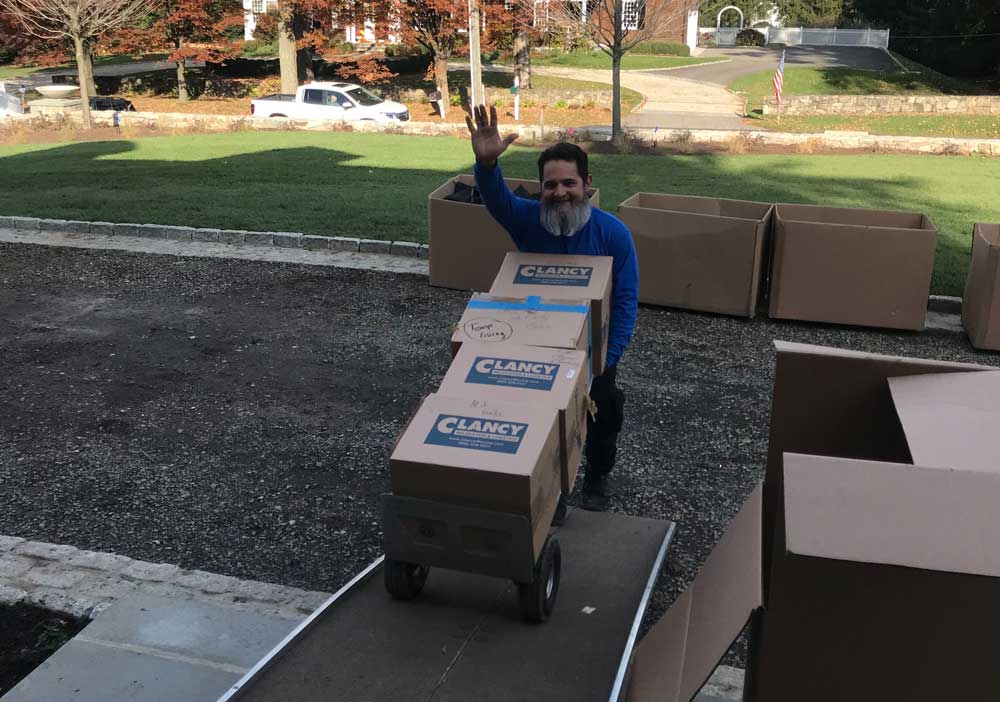
Professional Mover Transporting Boxes

Hartford offers abundant economic opportunities, making it a key destination for people moving to Connecticut. The city’s robust industries, thriving businesses, and job market attract professionals from various sectors.

Major Industries in Hartford

Hartford’s economy is driven by well-established industries that provide stability and career growth. These industries contribute to the city’s economic vibrancy and attract a diverse workforce.

  • Insurance and Financial Services: Hartford is famously known as the “Insurance Capital of the World,” hosting headquarters for major companies such as Aetna, Travelers, and The Hartford. These organizations offer numerous roles, from entry-level positions to executive leadership, making Hartford a prime destination for finance and insurance professionals.
  • Healthcare and Biotechnology: The healthcare sector is a major employer in Hartford, with institutions like Hartford Hospital and Connecticut Children’s Medical Center. These organizations provide a wide range of medical, research, and administrative jobs. Additionally, the biotechnology industry is growing in the region, offering opportunities for innovation and science.
  • Education and Research: Hartford is home to educational institutions like Trinity College and the University of Hartford. These schools not only provide teaching and administrative roles but also attract funding for research initiatives, creating jobs in academia and related fields.

Job Availability in Hartford

The city provides a wide range of job opportunities catering to various skill levels and career paths.

  • Corporate Roles: Hartford offers numerous corporate jobs in industries like insurance, healthcare, and manufacturing. These roles include positions in project management, marketing, operations, and customer service, providing a steady career path for professionals.
  • Skilled Trades: Hartford’s local economy relies on skilled trades like construction, plumbing, and electrical work. These jobs are crucial for maintaining the city’s infrastructure and are in consistent demand.
  • Entry-Level Positions: Many businesses in Hartford provide entry-level roles that help individuals start their careers. These include jobs in retail, food services, and administrative support, with potential for long-term growth.

Frequently Asked Questions

How can I make moving days less stressful?

To ensure a smooth move to Hartford, start early and have a detailed plan. Label all boxes clearly for easy unloading and keep essential items like water, snacks, and important documents easily accessible. If hiring movers, confirm their arrival time and have a contact person ready to oversee the process. Be prepared for unexpected delays like traffic or weather by having a backup plan. If moving with kids or pets, consider arranging for them to stay with a friend or family member for the day. 

How early should I start packing before moving?

Packing for a move to Hartford should ideally begin about six weeks in advance. Start with non-essential items like seasonal clothing and decorations. As the moving day nears, gradually pack less frequently used items, leaving daily essentials for the final days. If using movers, check their policies on packed items to avoid issues. Allocate extra time for fragile or bulky belongings that require extra care. Additionally, create an inventory of your items to help keep track and prevent misplacement. It’s also helpful to label boxes clearly to streamline unpacking in your new home.

How do I pack efficiently for a move?

Efficient packing starts with decluttering—donate or sell items you no longer need to reduce moving costs. Use sturdy boxes and label them by room for easier unpacking. Protect fragile items with bubble wrap or soft materials like towels. Place heavy items in small boxes to prevent them from becoming too difficult to lift, while lighter items can go in larger boxes. Photograph electronic setups and furniture before disassembling to simplify reassembly in your new Hartford home. If time is limited, professional packers can help speed up the process.

What should I look for in a moving company?

When selecting a moving company for Hartford, choose one that is licensed, insured, and has positive customer reviews. A reliable company will provide a written estimate based on an in-person or virtual assessment. Be cautious of movers requiring large upfront deposits, as this can indicate a scam. Check for accreditation with organizations like the Better Business Bureau (BBB) and inquire about their dispute resolution process. If moving special items like pianos, antiques, or electronics, ensure the company has experience handling them. 

What’s the best time of year to move to Hartford?

The best time to move to Hartford depends on factors like budget, weather, and mover availability. Summer is the busiest season, leading to higher moving costs and increased demand for housing, but it also offers ideal weather conditions for transporting belongings. Spring and fall provide a balance of mild temperatures and lower moving costs, making them a great choice for those looking to save money while avoiding extreme weather. Winter is the most affordable time to move due to lower demand, but snow and ice can create logistical challenges.

Make Moving to Hartford Easier with Clancy Relocation & Logistics!
Moving to Hartford can be a smooth and hassle-free experience with the right support. Clancy Relocation & Logistics provides professional moving services designed to handle every detail, from packing to transportation. With years of expertise in Hartford, Clancy Relocation & Logistics ensures belongings arrive safely and on time, whether relocating across town or from another state. Hartford’s growing community and business opportunities make it a prime destination, and having a trusted moving provider makes the transition seamless. 

Contact Clancy Relocation & Logistics today to schedule a move and experience a stress-free relocation to Hartford!

Table of Contents

Key Takeaways

Your Guide to Living in Hartford, CT, in 2025

✔ The Hartford Neighborhood

✔ Hartford’s Housing and Living Costs

✔ Education in Hartford, CT

✔ Employment and Economy in Hartford, CT

✔ Hartford, CT’s Transportation

✔ Recreation and Entertainment in Hartford, CT

Frequently Asked Questions

Make Moving to Hartford, CT Effortless!

Key Takeaways

Hartford offers diverse neighborhoods, each with a unique character, from historic areas like the West End to vibrant downtown living.

The city has affordable housing options compared to nearby metro areas, but living costs can vary significantly by neighborhood.

Hartford provides accessible transportation, including CTtransit buses, the Hartford Line train, and proximity to major highways.

The city is home to reputable schools and higher education institutions, including Trinity College and the University of Hartford.

Hartford’s economy is driven by insurance, healthcare, and government sectors, with several major employers based in the city.

Hartford, CT, is a city known for its rich history and vibrant industries, including insurance, healthcare, and education. With a 2024 population of approximately 119,626, Hartford offers a unique blend of urban amenities and New England charm. Although the city has seen a slight population decline of 0.14% since the 2020 census, it remains an attractive destination for individuals and businesses alike.

Here are key insights and practical tips to help with your move to Hartford, CT.

Your Guide to Living in Hartford, CT, in 2025

✔ The Hartford Neighborhood

Hartford offers a variety of neighborhoods, each with its unique character and appeal. Whether one is looking for urban living, historic charm, or affordability, the city has options for different lifestyles and preferences. 

Downtown: Urban Living at Its Best

Downtown Hartford is the city’s bustling urban core, offering a mix of modern apartments, cultural attractions, and a vibrant business district.

  • Amenities: Downtown is home to a variety of restaurants, coffee shops, and entertainment venues, making it ideal for those who enjoy an active city lifestyle.
  • Cultural Centers: Residents can easily visit landmarks like the Wadsworth Atheneum Museum of Art and Bushnell Performing Arts Center.
  • Convenience: With offices, retail spaces, and public transit hubs nearby, Downtown is a practical choice for professionals who prefer to live close to work.

West End: Historic Charm and Green Spaces

The West End offers a quieter, more residential atmosphere with a focus on history and greenery.

  • Historic Homes: The area is known for its charming Victorian-style houses and well-preserved architecture.
  • Tree-Lined Streets: The neighborhood features wide, walkable streets shaded by mature trees, providing a peaceful setting.
  • Parks and Culture: Elizabeth Park, famous for its rose garden, is a local gem where residents can relax and enjoy nature.

South End: A Multicultural Hub

The South End is a lively, diverse neighborhood known for its vibrant cultural influences.

  • Diversity: The area is home to a mix of cultures, reflected in its local businesses, festivals, and dining options.
  • Community Atmosphere: Residents often describe the South End as warm and welcoming, with a strong sense of neighborhood pride.
  • Dining Options: Visitors and residents alike enjoy a variety of authentic cuisines, particularly Italian and Latin American restaurants.

Asylum Hill: Affordable and Convenient

Asylum Hill is a practical choice for those seeking affordable living with easy access to the city’s core.

  • Proximity to Downtown: Located just minutes from Downtown, Asylum Hill provides the benefits of urban living without the higher costs.
  • Housing Options: The neighborhood offers a mix of apartments and single-family homes at more budget-friendly prices.
  • Access to Employers: The area is close to major employers, including insurance companies like The Hartford and Aetna.

Blue Hills: A Suburban Feel with Urban Access

Blue Hills is a prominent neighborhood in Hartford, located in the northern part of the city. It offers a unique blend of suburban charm and urban accessibility.

  • Residential Diversity: Blue Hills provides a mix of housing options, including single-family homes, apartments, and condominiums. The area is known for its affordability and family-friendly environment.
  • Community-Oriented: Residents often enjoy a strong sense of community, with active local organizations and neighborhood events.
  • Green Spaces: The neighborhood includes several parks and recreational areas, perfect for jogging, picnicking, or sports activities.
  • Proximity to Schools: Blue Hills has a variety of schools, making it a practical choice for families with children.

Tips for Choosing a Neighborhood

When deciding on a neighborhood, it is important to consider factors like lifestyle, budget, and proximity to work or schools. Here are some tips to help with the decision:

  • For Families: The West End offers spacious homes and access to parks, making it a family-friendly option.
  • For Professionals: Downtown and Asylum Hill provide easy access to offices, transit, and city amenities.
  • For a Community Feel: The South End’s cultural vibrancy is perfect for those who value a strong neighborhood identity.
  • For History Lovers: The West End’s historic homes and tree-lined streets offer a charming and peaceful setting.

✔ Hartford’s Housing and Living Costs

Hartford, CT offers a mix of affordability and expenses, depending on the type of lifestyle and housing options sought. Understanding the local rental and real estate markets, utilities, and living expenses is crucial for a smooth transition.

Overview of Rental and Real Estate Markets

Hartford provides diverse housing options, from apartments to family homes, catering to different budgets. The city’s housing costs are relatively lower than the state average but slightly higher than the national average.

  • Rent Costs: The average rent in Hartford is around $1,585 per month.
    • Studio apartments typically cost less, starting around $1,145 per month.
    • Larger apartments or premium locations may range from $2,090 to $4,385 per month.
  • Home Purchase Costs: The average home price is approximately $369,131. This price reflects a mix of affordable and upscale neighborhoods.
    • Mortgage rates average around 7.00%, affecting monthly housing payments.
    • Some neighborhoods like Downtown offer urban living, while the West End provides historic homes.

Average Costs for Utilities and Essentials

Living in Hartford comes with specific cost factors that impact monthly budgets. While housing is relatively affordable, certain utilities and goods are priced higher.

  • Utilities: Utilities in Hartford are about 3% lower than the state average but 27% higher than the national average. Monthly expenses include:
    • Electricity, water, and heating: Average of $150–$250 per month depending on the season.
    • Internet services: Approximately $60–$100 per month.
  • Groceries and Essentials:
    • Milk (1 gallon): $4.75
    • Eggs (dozen): $4.03
    • Bread: $3.88
    • Gasoline (1 gallon): $3.27

Resources for Finding Apartments or Homes

Finding the right place to live in Hartford is easier with the help of local resources. Below are tools and platforms to explore.

  • Online Rental Platforms:
    • Zillow: Offers listings for both rentals and homes for sale.
    • Apartments.com: Focuses on a wide variety of apartment styles and price ranges.
    • Trulia: Great for comparing neighborhoods and exploring rental options.
  • Local Property Managers and Realtors:
    • Park and Main: Rental options from $1,145–$3,188, located at 20 Park Street.
    • Hartford 21: Upscale apartments in Downtown Hartford, starting at $2,090 per month.
    • Faith Manor and Kensington: Affordable options for budget-conscious renters.
  • Local Community Boards: Many residents list rental opportunities on community forums or Facebook Marketplace.

✔ Education in Hartford, CT

Hartford provides a wide range of educational opportunities for families and students, from public and private schools to higher education institutions. The city is committed to fostering learning at every stage, ensuring access to resources that promote academic success.

Public Schools in Hartford

Hartford Public Schools (HPS) is Connecticut’s largest school district, offering over 40 magnet and non-magnet schools. The district emphasizes equity and diverse learning opportunities, including STEM, arts, and bilingual programs, ensuring every student has access to quality education.

Capitol Region Education Council (CREC)

CREC provides innovative educational options through its magnet schools, featuring specialized programs like technology and global studies. It also supports districts with cost-effective services and professional development to enhance teaching standards across the region.

Early Learning Programs

Hartford’s early learning centers offer high-quality education for infants, toddlers, and preschoolers, including children with special needs. The Connecticut Office of Early Childhood coordinates programs to build strong foundations for young learners through nurturing and development-focused care.

Higher Education Institutions

Hartford is home to notable colleges and universities, including the University of Hartford and Trinity College. These institutions offer diverse academic programs, fostering student success through rigorous academics, cultural engagement, and professional opportunities.

Educational Resources for Families

Families in Hartford benefit from resources like school choice programs, parent support groups, and financial aid options. These resources ensure families can navigate the education system and access the tools needed for student success.

✔ Employment and Economy in Hartford, CT

Hartford, CT, has a diverse economy driven by key industries, including insurance, healthcare, and aerospace. Known as the “Insurance Capital of the World,” the city is home to major companies like Aetna, The Hartford, and Travelers. The healthcare sector features top employers such as Hartford Hospital and St. Francis Hospital, while United Technologies Corporation supports the aerospace industry. Education and state government also contribute significantly to the local economy.

The job market is competitive, with a 10.7% unemployment rate and a median household income of $46,377, below the national average. 

✔ Hartford, CT’s Transportation 

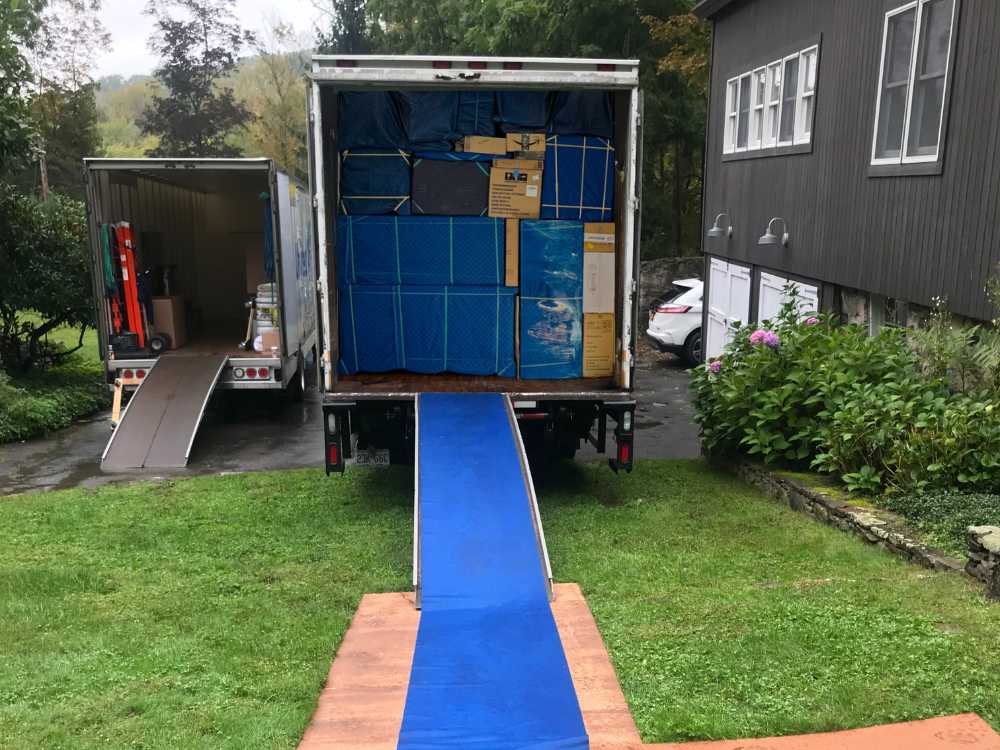
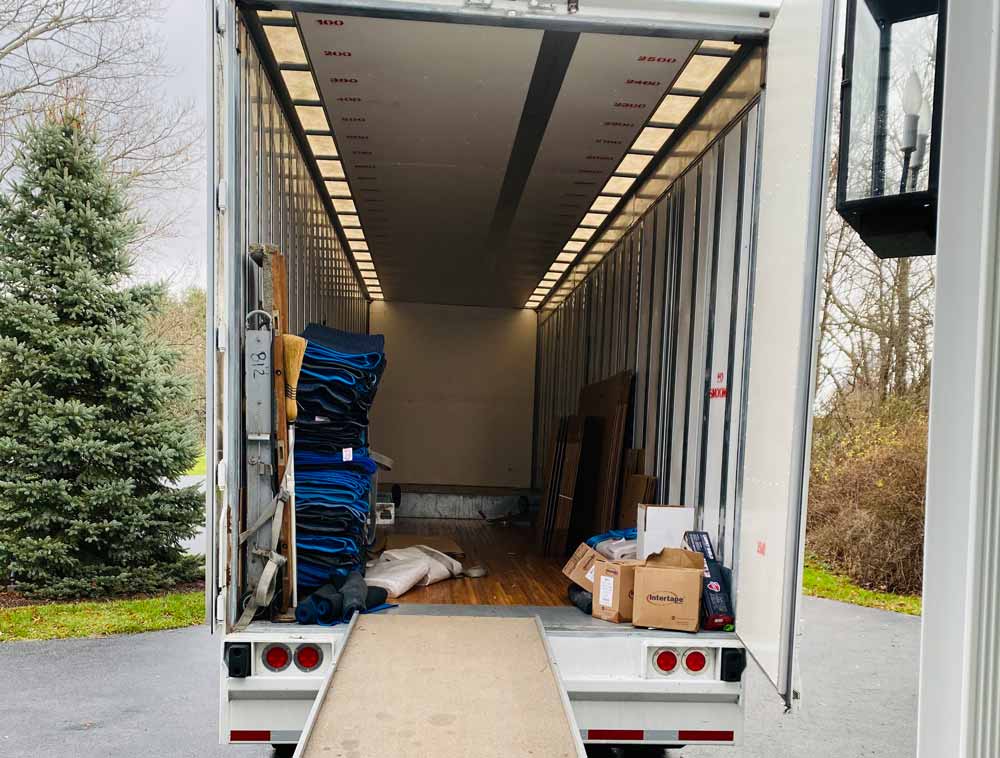
Empty Moving Company Storage Truck

Hartford, CT, is well-equipped with a variety of transportation options, providing efficient and accessible ways to navigate the city and connect with surrounding areas. From public buses and dedicated parking facilities to commuter rail services, Hartford ensures convenience for residents, commuters, and visitors.

Bus

CTfastrak is Connecticut’s first Bus Rapid Transit (BRT) system, designed to offer faster and more reliable transportation compared to traditional bus services. It uses a dedicated bus-only roadway for part or all of its routes, reducing congestion and delays. Key benefits of CTfastrak include:

  • Reliable Service: Dedicated lanes ensure fewer delays caused by traffic.
  • Wide Coverage: Routes connect Hartford with nearby cities and towns, including New Britain and West Hartford.
  • Accessibility: Equipped with features to accommodate riders with disabilities.

Car

For those who prefer driving, Hartford offers comprehensive parking options managed by the Hartford Parking Authority (HPA). The HPA oversees several key facilities that cater to residents, commuters, and visitors.

  • Chapel Street Lot: Conveniently located near downtown attractions.
  • Sheldon Street Lot: Close to South Downtown, ideal for short-term parking.
  • MAT Garage: A larger parking structure suitable for extended stays or daily commuters.
  • Hartford Public Library Parking Deck: Perfect for library visitors and those accessing nearby public services.

Additionally, the HPA manages approximately 1,800 metered parking spaces throughout downtown Hartford, making short-term parking simple and accessible.

Rail

The Hartford Line is a key rail service connecting Hartford to major cities and transportation hubs in the region. It operates 17 trains daily between New Haven and Hartford, with 12 of these trains continuing to Springfield, MA. This rail line offers several advantages:

  • Regional Connections: Links Hartford with New Haven Line services to New York City and Amtrak’s Northeast Corridor rail for travel to cities like Boston and Washington, D.C.
  • Convenience: Integrates with Shore Line East services, providing access to coastal destinations in Connecticut.
  • Seamless Multimodal Travel: Easily connects with CTfastrak for comprehensive transit options in Hartford and New Britain.

✔ Recreation and Entertainment in Hartford, CT

Hartford offers a wide range of recreational and entertainment options for residents and visitors alike. From lush parks and engaging cultural attractions to lively sports events and a thriving dining scene, the city has something for everyone.

Parks and Outdoor Spaces

Hartford features numerous parks that provide green spaces for relaxation, exercise, and community activities.

  • Elizabeth Park: This historic park is famous for its Rose Garden, one of the oldest in the United States. Visitors can enjoy walking paths, a serene pond, and seasonal events like outdoor concerts.
  • Bushnell Park: Located downtown, this park is the oldest publicly funded park in the country. It offers a carousel, expansive lawns, and views of the iconic Soldiers and Sailors Memorial Arch.
  • Keney Park: A large park with wooded trails, picnic areas, and a golf course, perfect for families and outdoor enthusiasts.

Museums and Cultural Attractions

Hartford is home to several museums and landmarks that celebrate art, history, and literature.

  • Wadsworth Atheneum Museum of Art: The oldest public art museum in the United States, showcasing a diverse collection ranging from European masterpieces to contemporary works.
  • Mark Twain House & Museum: A National Historic Landmark and former home of Mark Twain, offering guided tours and insights into the life of one of America’s greatest authors.
  • Connecticut Science Center: An interactive museum featuring exhibits on science, innovation, and the environment, ideal for kids and adults alike.

Sports and Live Events

Sports fans and event-goers can find plenty of excitement in Hartford’s venues.

  • Dunkin’ Park: Home to the Hartford Yard Goats, a minor league baseball team. The stadium offers affordable fun for families and baseball enthusiasts.
  • XL Center: A multipurpose arena hosting concerts, hockey games, and events featuring the University of Connecticut Huskies basketball team.
  • Trinity Health Stadium: Soccer fans can watch Hartford Athletic, the city’s professional soccer team, in action at this intimate venue.

Dining and Nightlife Scene

Hartford’s food and nightlife scene reflects its cultural diversity and offers options for every taste.

  • Fine Dining: Restaurants like Max Downtown and Salute offer upscale dining experiences with menus featuring steak, seafood, and international flavors.
  • Casual Eats: For a more relaxed vibe, diners can visit Bear’s Smokehouse BBQ for hearty barbecue dishes or City Steam Brewery for pub fare and craft beer.
  • Nightlife: Downtown Hartford comes alive at night with bars and lounges like The Russian Lady and The Tavern Downtown, offering live music, dancing, and drinks.

Frequently Asked Questions

What’s the best time of year to move to Hartford?

The best time to move to Hartford largely depends on your personal preferences and circumstances. Spring and summer are popular due to mild weather, making it easier to transport belongings and explore your new surroundings. Fall is also a great choice, offering pleasant temperatures and beautiful foliage, but moving services may be more available and affordable than in summer. Winters in Hartford can be harsh, with snow and ice making moving more challenging, though this is often the least expensive time for relocation.

Should I rent or buy when moving to Hartford?

The decision to rent or buy depends on your long-term plans and financial situation. Renting is a great option if you’re new to the city and want time to explore neighborhoods before committing to one. On the other hand, Hartford’s relatively low home prices and historically low interest rates make buying an attractive choice for those planning to settle down. If you choose to rent, there are plenty of apartments and homes available in various neighborhoods to suit your budget and lifestyle. Consider factors like job stability, family needs, and market trends before making your choice. 

How do I prepare for Hartford’s climate when moving?

Hartford experiences all four seasons, so preparing for its varied climate is essential. Winters are cold and snowy, so ensure you have warm clothing, snow gear, and appropriate home heating systems. Spring and fall bring milder weather, but rain is common, so pack rain-resistant outerwear. Summers can be warm and humid, making air conditioning a must for comfort. If you’re moving during winter, plan to protect your belongings from freezing temperatures and ice. 

What are some challenges of moving to Hartford?

Moving to Hartford comes with a few challenges, such as adapting to its colder winters and navigating higher state taxes. The city’s public transportation system is limited compared to larger metros, which can make commuting tricky if you don’t own a car. Finding the right neighborhood might take some time, as Hartford has a mix of urban, suburban, and historic areas. Additionally, the job market can be competitive, particularly in specialized industries. 

What should I pack for a move to Hartford?

When packing for a move to Hartford, focus on clothing and items suited for its seasonal climate. Warm coats, snow boots, and gloves are essential for winter, while light clothing and sunscreen will come in handy for summer. Include sturdy, waterproof footwear for rainy days in spring and fall. Don’t forget to pack essentials like snow shovels, ice scrapers, and de-icer if you’re moving during the colder months. For your home, consider bringing humidifiers or fans to stay comfortable throughout the year. 

Make Moving to Hartford, CT Effortless!

Relocating to Hartford, CT, is made simple and stress-free with the trusted expertise of Clancy Relocation & Logistics. As a leading provider of moving and logistics services, Clancy Relocation & Logistics ensures every detail is handled with care, from expert packing to secure transportation and efficient setup. Specializing in Hartford, CT relocations, the team delivers exceptional service tailored to meet specific needs, whether for residential or commercial moves. With Clancy Relocation & Logistics, transitioning to Hartford, CT, is efficient, reliable, and worry-free.

Reach out to Clancy Relocation & Logistics today to ensure a smooth and successful move to Hartford, CT.

Table of Contents

Key Takeaways

5 Tips to Plan a Stress-Free Move for Seniors

  1. Plan Ahead
  2. Declutter Belongings
  3. Choose the Right Moving Services
  4. Organize Essential Documents
  5. Prepare the New Home

Frequently Asked Questions

Streamline the Moving Process with Trusted Experts!

Key Takeaways

Start early to create a timeline, stay organized, and avoid last-minute stress.

Simplify the process by sorting items into keep, donate, and discard categories.

Research reputable movers, including senior-focused services, to ensure a smooth transition.

Gather, secure, and update critical paperwork for accessibility and peace of mind.

Ensure the new home is safe, functional, and ready with utilities and personalized touches.

Relocating can be a transformative chapter for seniors, offering an opportunity to embrace a new environment and lifestyle. However, the moving process often comes with its own set of challenges, from planning and packing to settling into a new home. By approaching each step with thoughtful preparation and the right resources, the transition can be made smoother and more enjoyable.

Here are practical tips to simplify the relocation journey for seniors.

5 Tips to Plan a Stress-Free Move for Seniors

1. Plan Ahead

Relocating can be a significant milestone, especially for seniors. Proper planning ensures a smoother transition and minimizes stress. 

Why Starting Early Matters

Getting a head start helps seniors avoid last-minute issues and feel more in control of the process. Early preparation allows for thoughtful decision-making and reduces the likelihood of encountering unexpected challenges.

  • Mitigate Stress: Early preparation reduces the rush and the anxiety that comes with last-minute arrangements, providing peace of mind throughout the process.
  • Maximize Choices: Starting early allows ample time to explore and research residential movers, house moving services, and movers companies near me. This ensures the best service providers are chosen based on specific needs and preferences.
  • Prepare for Challenges: Identifying potential roadblocks early, such as timing conflicts or logistical issues, provides the opportunity to resolve them without added pressure.

Create a Detailed Timeline and Checklist

A structured plan with a clear timeline and checklist ensures that all moving tasks are organized and manageable. This proactive approach reduces the risk of forgetting important details and keeps the process running smoothly.

  • Set Milestones: Break the process into smaller stages such as decluttering, packing, securing moving services, and finalizing logistics. Assign realistic deadlines to each task to stay on track.
  • Include Details: Ensure the checklist is comprehensive, covering key tasks like researching and booking a house moving service, notifying relevant parties of address changes, and preparing utilities in the new home.
  • Stay Flexible: Build buffer time into the schedule to accommodate unforeseen delays, whether they involve packing challenges or adjustments with the moving company. 

Evaluate Personal Needs and Priorities for the Move

Understanding personal preferences and requirements ensures the move aligns with individual circumstances, making the transition smoother and more comfortable.

  • Assess Health and Accessibility Needs: Evaluate whether the new residence accommodates mobility or medical requirements. For instance, consider wheelchair accessibility, safety features like grab bars, or proximity to healthcare providers.
  • Define Space Requirements: Take time to measure the new home and determine what belongings can fit comfortably. This helps avoid overcrowding and ensures essential items are prioritized during packing.
  • Consider Emotional Factors: Moving can be an emotional process. Balance practicality with sentimentality by bringing cherished items that evoke positive memories while letting go of non-essential belongings.

2. Declutter Belongings

Moving can be an excellent opportunity to simplify life and lighten the load. Decluttering ensures a fresh start in the new home and reduces the stress of packing and unpacking. 

Sort Items Into Keep, Donate, and Discard Categories

Breaking the task into manageable steps helps make decluttering feel less overwhelming. Sorting belongings into specific categories provides clarity and focus during the process.

  • Keep Items Used or Cherished: Focus on practical items and those with significant emotional value. These are the essentials that will accompany seniors to their new home, ensuring functionality and comfort.
  • Donate Items That Are Still Useful: Consider donating gently used clothing, furniture, and appliances to charities or community centers. Reach out to residential movers or movers companies near me for recommendations on local donation drop-off locations.
  • Discard Items Beyond Repair or Use: Safely dispose of broken, expired, or unusable items. Be mindful of local recycling guidelines and hazardous waste disposal requirements to ensure environmentally responsible decluttering.

Involve Family or Friends for Support

Decluttering can be both an emotional and physical task. Having loved ones assist seniors makes the process more manageable and enjoyable.

  • Provide Guidance: Share stories about specific items with family members to help them understand their significance. This can make decision-making easier and more meaningful.
  • Get Extra Hands: Enlist help with heavy lifting or organizing larger areas like garages or attics. Professional house moving services can also assist with moving large or bulky items.
  • Celebrate Progress: Take breaks and acknowledge accomplishments, such as completing a room or sorting through a particularly challenging box. Celebrating milestones helps maintain motivation during the move. 

Tips for Letting Go of Sentimental Items

Parting with sentimental belongings can be one of the hardest aspects of decluttering. Keeping focus on the future and the new home’s space can help provide clarity and emotional balance.

  • Choose a Few Treasured Keepsakes: Select a handful of meaningful items that best represent memories. Display them prominently in the new home to keep those memories alive without cluttering the space.
  • Digitize Memories: Scan old photographs or important documents, and take pictures of larger sentimental items. Digital storage ensures memories are preserved while minimizing physical belongings.
  • Gift Items to Loved Ones: Pass down heirlooms or meaningful possessions to family or close friends who will cherish them. Sharing these items keeps them in the family and brings joy to both the giver and recipient.

3. Choose the Right Moving Services

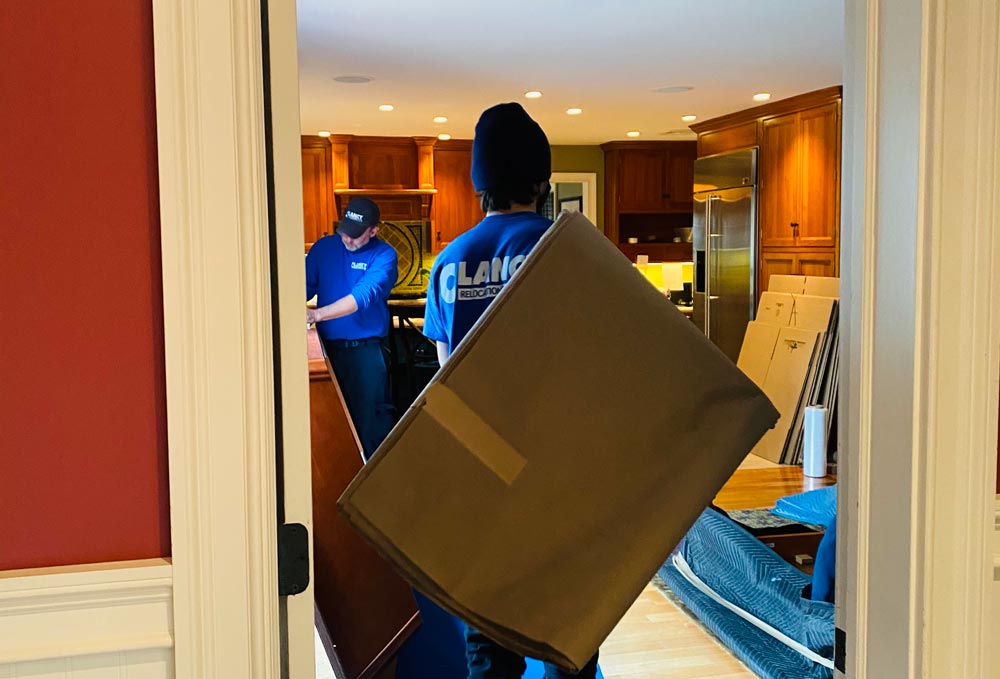
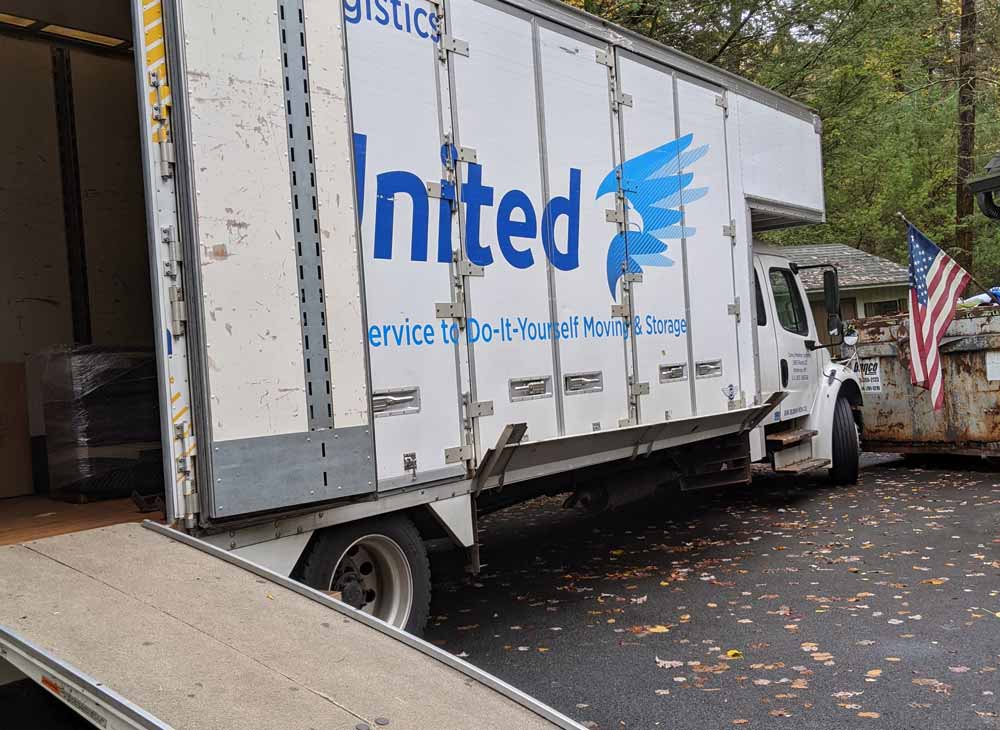
Moving & Storage packing households

Relocating as a senior can be significantly smoother by selecting the right moving services. From choosing reliable movers to understanding specialized services, taking the time to make informed decisions ensures a stress-free transition.

Research Professional Moving Companies

Thorough research is the first step in finding trustworthy movers. Selecting reputable residential movers like Clancy Relocation & Logistics ensures belongings are handled with care and professionalism.

  • Read Reviews and Testimonials: Look for customer feedback highlighting movers’ professionalism, punctuality, and attention to detail. Positive reviews are a strong indicator of reliable service.
  • Verify Licenses and Valuation: Confirm that the moving company is properly licensed and insured to protect against potential damages or accidents during transit. With 24% of BBB complaints in 2023 related to moving fraud, taking this step safeguards belongings and ensures accountability throughout the process.
  • Ask for References: Seek recommendations from friends, family, or community groups to find trustworthy movers companies near me. Personal endorsements often lead to dependable options.

Consider Senior-Focused Moving Specialists

For seniors, working with moving services tailored to their specific needs can make the relocation process much easier and less overwhelming.

  • Specialized Services: Many senior-focused house moving services assist with packing, organizing, and downsizing. These offerings reduce the physical and emotional strain of preparing for the move.
  • Safety-Oriented Approach: Senior-focused movers companies near me are trained to handle fragile and sentimental items with extra care, ensuring safety and peace of mind throughout the move.
  • Additional Support Options: Some companies offer unpacking, furniture arrangement, and settling-in services, allowing seniors to quickly and comfortably transition into their new home.

Compare Costs and Services

Understanding the cost and value of different moving services is essential for making an informed decision that aligns with budget and needs.

  • Request Detailed Quotes: Collect comprehensive estimates from multiple house moving services and movers companies near me. These should include clear breakdowns of services and costs, such as packing materials or optional add-ons.
  • Evaluate Service Packages: Look for residential movers that offer customizable packages, ranging from full-service moving to partial assistance. This allows seniors to choose services that meet their unique requirements.
  • Inquire About Hidden Fees: Discuss potential extra charges upfront, such as fees for stairs, long-distance moves, or heavy items. BBB complaints highlight cases where quotes based on estimated weight are increased significantly after loading, often doubling the cost. Clarifying these details in advance prevents unexpected expenses.

4. Organize Essential Documents

Relocating, especially as a senior, involves more than just packing boxes. Properly organizing important paperwork ensures a smooth transition and prevents unnecessary stress during and after the move.

Gather Important Paperwork

Before contacting residential movers or hiring a house moving service, seniors should gather and consolidate essential documents. Having all these papers ready makes it easier to address tasks related to healthcare, finances, and legal matters during the move.

  • Medical Records: Collect prescriptions, vaccination records, and medical histories to ensure continuity of care in the new location. These records will help new healthcare providers understand past and ongoing treatments.
  • Financial Documents: Include bank statements, investment account details, retirement fund paperwork, and valuation policies. Keeping these at hand allows quick access for financial decisions or transactions.
  • Identification Papers: Secure items such as passports, driver’s licenses, Social Security cards, and birth certificates. These are critical for verifying identity and managing various updates post-move.
  • Legal Documents: Organize wills, trusts, powers of attorney, real estate deeds, and contracts. Ensure these documents are updated if the move affects any legal arrangements.

Keep Documents Accessible During the Move

Key paperwork must remain accessible throughout the relocation process. Packing them with other belongings can create delays and risks, even when working with the most reliable movers companies near you.

  • Secure Folder or Bag: Store essential documents in a durable, waterproof folder or bag to protect them from damage during transit. This ensures the documents stay intact and legible.
  • Carry Documents Personally: Always keep these items close in the personal luggage rather than packing them with household goods handled by residential movers or house moving services. This minimizes the risk of misplacement.
  • Create Digital Backups: Scan important documents and save copies on an external drive or cloud storage. This precaution provides an additional layer of security against loss or damage.

Update Necessary Records With the New Address

After the move, updating records with the new address ensures uninterrupted services and clear communication with essential contacts. This step is vital to avoid delays and complications.

  • Notify Financial Institutions: Update the address with banks, credit card companies, and retirement fund managers. This ensures seniors receive important statements and correspondence without delays.
  • Change Address for Medical Providers: Inform doctors, specialists, and pharmacies about the move to ensure that prescriptions and medical bills are sent to the correct location.
  • Revise Government Records: Update the address with the post office, Social Security Administration, and voter registration office to avoid disruptions in benefits or mail delivery.
  • Update Valuation Policies: Notify health, home, and auto valuation providers about the move to maintain coverage. This ensures policies reflect the correct location, which may also affect premiums or coverage terms.
  • Notify Service Providers: Update the new address with subscriptions such as newspapers, meal delivery services, and healthcare providers to ensure uninterrupted service.

5. Prepare the New Home

Relocating to a new home can be exciting, but preparation is essential to ensure a smooth transition. Thoughtful planning, prioritizing safety, and organizing the space with care can make the new home welcoming and stress-free for seniors.

Assess Accessibility and Safety Features

Creating a safe and accessible environment is a top priority for seniors. Adjustments to the new home can improve mobility, reduce risks, and provide peace of mind.

  • Install Ramps or Handrails: Add ramps for entryways and secure handrails in staircases, bathrooms, and other key areas to enhance safety and support.
  • Ensure Adequate Lighting: Place bright, well-positioned lighting in hallways, bedrooms, and bathrooms to minimize the risk of falls, especially during nighttime navigation.
  • Eliminate Tripping Hazards: Secure area rugs with non-slip backing, clear clutter from walkways, and install non-slip mats in slippery areas like kitchens and bathrooms.
  • Adapt for Mobility Needs: Consider modifications such as wider doorways for wheelchairs, walk-in showers with seating, and grab bars near the toilet and tub for additional support.

Arrange Furniture and Belongings for Comfort

The thoughtful arrangement of furniture and belongings can significantly impact comfort and functionality, ensuring the new home feels inviting and easy to navigate.

  • Prioritize Essential Rooms: Focus on setting up critical spaces like the bedroom, bathroom, and kitchen first to ensure immediate usability and comfort.
  • Keep Frequently Used Items Accessible: Store items like medications, clothing, and cookware within easy reach to reduce physical strain and promote independence.
  • Create Clear Pathways: Arrange furniture to allow unobstructed movement, especially for those using wheelchairs or walkers. This ensures safe and convenient navigation throughout the home.

Set Up Utilities and Services Before Moving Day

A well-prepared home with functioning utilities and services ensures a seamless transition, allowing seniors to settle in comfortably from the moment they arrive.

  • Contact Utility Providers Early: Arrange for electricity, water, gas, and internet services to be connected before the move. This eliminates delays and allows the home to be fully operational upon arrival.
  • Test Appliances and Systems: Verify that essential systems like heating, cooling, and major appliances are in good working order to avoid unexpected issues after moving in.
  • Explore Local Services: Research nearby resources like grocery delivery, pharmacies, and healthcare facilities to establish a reliable support network in the new community.

Frequently Asked Questions

What should seniors pack in an essentials box for moving day?

An essentials box should contain items you’ll need immediately upon arrival at your new home. Include medications, toiletries, a change of clothes, and important documents like ID and valuation cards. Pack snacks, water, and a phone charger to stay comfortable during the move. Don’t forget keys to your new home, as well as basic tools like scissors or a flashlight. Personal items, such as a favorite book or blanket, can provide comfort during the transition. Essential items are best carried personally to avoid misplacement. 

What financial considerations should seniors keep in mind when moving?

Budgeting is key to managing the financial aspects of a move. Factor in costs like hiring movers, renting storage, and potential fees for downsizing or selling your home. If you’re moving to a retirement community, research monthly fees and hidden charges. Take advantage of senior discounts offered by some movers or storage companies. Plan for unexpected expenses, such as last-minute repairs or additional packing supplies. 

How far in advance should seniors start planning their move?

Ideally, start planning your move at least three months in advance. This gives you ample time to research moving companies, declutter, and prepare for the transition. Early planning also allows you to handle unexpected issues without feeling rushed. For a long-distance or senior community move, extra time may be needed to coordinate logistics. 

How can seniors avoid moving scams?

Start by researching moving companies and verifying their credentials with organizations like the Better Business Bureau. Avoid companies that demand large deposits upfront or refuse to provide written estimates. Be cautious of low-ball quotes, which often lead to hidden fees later. Protect yourself by carefully reading contracts and understanding terms before signing. Keep valuables and personal documents with you during the move, rather than placing them in the moving truck. 

How can seniors manage the emotional challenges of moving?

Moving can stir up a mix of emotions, from excitement to sadness. Acknowledge these feelings as natural and allow yourself time to process them. Focus on the positive aspects of the move, such as new opportunities or a simplified lifestyle. Stay connected with friends and family who can provide support and reassurance. If you’re leaving a longtime home, consider creating a scrapbook or memory book to honor your past.

Streamline the Moving Process with Trusted Experts!

Clancy Relocation & Logistics specializes in delivering tailored moving solutions designed to meet unique needs. With a focus on professionalism, care, and attention to detail, every aspect of the relocation is handled seamlessly. From downsizing to settling into a new space, Clancy Relocation & Logistics ensures a stress-free transition.

Contact Clancy Relocation & Logistics today to learn more about our services and take the first step toward a hassle-free move!

Relocating to a new home is an exciting yet challenging endeavor. With residential moves dominating the moving services market, fueled by a growing number of relocations, it’s clear that careful planning is essential. One of the most critical and often overlooked aspects of moving is preparing your appliances. These essential items require careful handling and preparation to ensure they arrive safely and function properly in your new home. Whether you’re handling the move yourself or working with packing and moving companies, knowing the important steps in preparing your appliances will help you manage the process effectively.

Table of Contents

Key Takeaways

Why Proper Appliance Preparation is Important

Why Consider Hiring Packing and Moving Companies?

5 Steps to Prepare Your Appliances for a Seamless Move

  1. Review Appliance Manuals for Moving Instructions
  2. Clean Each Appliance Thoroughly
  3. Disconnect and Drain Water, Gas, and Power Connections
  4. Secure Power Cords and Accessories
  5. Tape Doors and Movable Parts Securely

Best Tips for Safely Transporting and Unpacking Appliances

When to Hire Professionals

  1. Large Appliances Require Specialized Handling
  2. Complex Systems Require Expert Management
  3. Fragile Components Require Delicate Handling
  4. When Time and Efficiency Are a Priority
  5. Long-Distance or Difficult Moves

Frequently Asked Questions

Choose Clancy Relocation & Logistics for a Seamless Moving Experience!

Key Takeaways

Always refer to manufacturer guidelines for proper handling and disconnection, ensuring warranties remain intact and avoiding potential damage to internal components.

Deep clean appliances like refrigerators, washers, and ovens to eliminate residue, odors, and moisture, ensuring they are hygienic and ready for reinstallation.

Properly disconnect water, gas, and electrical connections, ensuring all lines are securely capped or drained to prevent leaks, spills, or hazards during the move.

Bundle power cords neatly and pack detachable parts separately using protective materials to prevent tangling, breakage, or loss.

Use strong tape to secure doors and stabilize loose or internal components, reducing risks of shifting, damage, or accidents during transport.

Why Proper Appliance Preparation is Important

Preparing appliances for a move is not just about convenience; it’s about protecting your investment and ensuring they remain operational. Skipping this step can lead to costly repairs or replacements. Here’s why preparation matters:

  • Prevent Damage: Appliances are bulky, heavy, and often have delicate components. Without proper preparation, they can get scratched, dented, or damaged internally during transport. For example, refrigerators have cooling systems that can be compromised if moved incorrectly.
  • Maintain Functionality: Items like washing machines and dishwashers rely on water and electrical systems that must be handled carefully to ensure they work as intended after the move.
  • Save Time and Effort: Properly prepared appliances are easier to pack, load, and unload. This is particularly beneficial if you’ve hired a house moving service and are coordinating with movers near you to streamline the process.

Why Consider Hiring Packing and Moving Companies?

Moving heavy and bulky appliances is a task best left to professionals. Packing and moving companies provide tailored services that cater to the unique challenges of transporting appliances, ensuring your valuable items are handled with care and efficiency.

This growing demand for professional movers highlights their value in simplifying relocations. The global moving services market is projected to expand from USD 110.97 billion in 2025 to USD 143.18 billion by 2030, with a compound annual growth rate (CAGR) of 5.23% during the forecast period. This significant growth reflects the increasing trust homeowners and businesses place in professional movers to streamline the relocation process.

✔ Expertise in Handling Large Appliances

Professional house moving services specialize in managing appliances of all sizes and types, from compact microwaves to oversized refrigerators. Their knowledge and training ensure every item is handled with care, minimizing risks.

  • Proven Techniques: Professionals are skilled in lifting, tilting, and maneuvering appliances to avoid strain on delicate components like cooling systems or drum stabilizers.
  • Damage Prevention: They use methods that reduce the likelihood of scratches, dents, or mechanical damage during the packing and moving process.

✔ Specialized Tools and Equipment

One of the most significant advantages of hiring professionals is their access to industry-grade tools designed to transport heavy appliances safely. Navigating stairs, narrow doorways, and tight corners is another area where professionals excel. Their tools and techniques ensure your appliances remain unscathed, even in challenging spaces.

  • Appliance Dollies: These make it easier to move large items like washing machines and refrigerators, reducing the risk of injury or damage to floors.
  • Protective Materials: Professionals use blankets, bubble wrap, and edge protectors to shield appliances from scratches and dents during transit.
  • Straps and Securement Tools: Heavy-duty straps ensure appliances are securely fastened during loading and transport, preventing shifts inside the truck.

✔ Time and Stress Savings

The physical and logistical challenges of moving appliances can quickly become overwhelming. Enlisting the help of packing and moving companies allows homeowners to focus on other critical aspects of their relocation, such as organizing personal items or setting up the new home.

  • Efficient Packing and Loading: Professionals streamline the process, ensuring all appliances are packed, loaded, and transported within a shorter time frame.
  • Physical Relief: Avoid the strain of lifting and carrying heavy appliances, a task that can lead to injuries if done incorrectly.
  • Peace of Mind: Knowing your appliances are in expert hands reduces the stress of moving day.

✔ Insurance and Liability Protection

One of the often-overlooked benefits of working with house moving services is the added layer of security provided through insurance and liability coverage. This protection is particularly important for high-value appliances, where repair or replacement costs can be significant.

  • Damage Coverage: Most reputable packing and moving companies offer insurance options to protect your appliances in case of accidents during transit.
  • Accountability: Professional movers take responsibility for the safety of your items, giving you peace of mind that any potential issues will be resolved efficiently.

✔ Flexible Moving Solutions

Professional movers often offer customizable services tailored to your specific needs. This flexibility ensures that your appliances are moved at your convenience, aligning with the rest of your relocation plans.

  • Partial or Full Packing Services: Whether you need help with just your appliances or your entire household, movers near you can adjust their services accordingly.
  • Storage Options: For long-distance moves or delayed setups, many companies provide secure storage facilities to hold your appliances temporarily.

Whether you’re managing a local relocation or a long-distance move, partnering with trusted movers like Clancy Relocation & Logistics is a practical solution for simplifying the process. These experts not only ensure the safety of your appliances but also provide a smoother, more enjoyable moving experience overall.


5 Steps to Prepare Your Appliances for a Seamless Move

Proper preparation is key to ensuring your appliances are transported safely and remain in excellent condition. Whether you’re doing it yourself or relying on packing and moving companies, following these steps will make the process smoother. 

1. Review Appliance Manuals for Moving Instructions

Each appliance is unique, and the manufacturer’s guidelines are an invaluable resource for proper handling during a move. Ignoring these instructions can result in permanent damage or reduced functionality.

Locate the Manuals:

  • Search through storage areas or drawers where original manuals may be kept.
  • If manuals are missing, check the manufacturer’s website for digital copies or resources.

Why Follow Manufacturer Guidelines?

  • Specific instructions often address critical aspects, such as:
    • Securing internal components like drum stabilizers for washing machines.
    • Properly defrosting refrigerators to avoid coolant system damage.
  • These guidelines ensure safe handling and protect warranties, which might become void if incorrect procedures are followed.

Ask for Assistance:

  • If instructions are unclear, reach out to the manufacturer or appliance dealer for guidance.
  • Many packing and moving companies have experience with appliance preparation and can provide additional insights.

2. Clean Each Appliance Thoroughly

Cleaning your appliances before a move not only ensures hygiene but also helps prevent odors, mold, and residue buildup during transit. Clean appliances are also easier to handle for house moving services and minimize risks of attracting pests.

Refrigerator:

  • Empty the fridge, including perishable and non-perishable items.
  • Defrost the freezer at least 24 hours in advance to prevent water leakage.
  • Wipe down all surfaces with a mild cleaner, paying special attention to corners and seals.
  • Remove and pack bins, racks, and trays separately, securing them with padding to prevent damage.

Washing Machine:

  • Run an empty hot water cycle with detergent to clean the drum and eliminate residue.
  • After cleaning, leave the door open for at least 24 hours to ensure the machine is completely dry.
  • Check and clean the lint trap, if applicable, to prevent clogging.

Dryer:

  • Wipe the interior drum with a mild household cleaner.
  • Run a short drying cycle with old towels to remove any cleaning residue.
  • Clean out the lint trap thoroughly to enhance safety during transport.

Stove/Oven:

  • Remove and clean racks, trays, and burners using appropriate cleaning products.
  • Scrub the oven’s interior to remove grease and debris.
  • Secure or pack detachable parts to prevent them from shifting or causing scratches.

Dishwasher:

  • Empty the dishwasher and remove utensil holders or racks.
  • Clean the interior and allow it to air-dry thoroughly before packing.

3. Disconnect and Drain Water, Gas, and Power Connections

Disconnecting appliances properly is essential for safety and smooth handling. Mishandling water, gas, or electrical connections can cause damage or create hazards during the move.

Water Lines:

  • Appliances like washing machines, dishwashers, and refrigerators require disconnection from water supplies.
  • Drain water lines completely to prevent spills or leaks during transit.
  • Use towels to catch any residual water when disconnecting hoses.

Gas Connections:

  • Turn off the gas supply for stoves, ovens, and dryers before disconnecting.
  • If you’re unsure how to handle gas lines, consult a professional or your gas provider.
  • Properly seal disconnected gas lines to prevent leaks during the move.

Electrical Connections:

  • Unplug all appliances carefully, ensuring cords are not damaged in the process.
  • For refrigerators, unplug at least 24 hours before moving to allow the coolant to settle and prevent leaks.

4. Secure Power Cords and Accessories

Loose cords and accessories can pose safety hazards and risk damage if not properly secured. This step ensures everything stays organized and safe during transit.

Bundle and Tape Cords:

  • Neatly loop power cords and secure them to the back of the appliance using packing tape. This prevents cords from dangling, getting tangled, or creating tripping hazards during the move.

Pack Accessories Separately:

  • Detachable parts, such as shelves, trays, and bins, should be packed separately in labeled boxes.
  • Use bubble wrap or padding to protect these items from breaking or scratching.
  • Label each box with its corresponding appliance for easy reassembly.

5. Tape Doors and Movable Parts Securely

Appliance doors and other movable parts can swing open during transit, leading to damage or accidents. Properly securing these elements is vital for a safe move.

Use Packing Tape:

  • Secure appliance doors firmly with strong packing tape. Avoid using duct tape, as it can leave a sticky residue.
  • Reinforce tape around handles for added stability.

Secure Loose Parts:

  • If certain parts cannot be removed, such as glass shelves or rotating trays, secure them in place using padding or tape. This helps prevent internal components from shifting or breaking.

By following these steps carefully, homeowners can ensure their appliances are well-prepared for a move. Whether handled independently or with the help of house moving services, proper preparation safeguards your valuable appliances and minimizes the risk of damage. With reliable packing and moving companies and trusted movers like Clancy Relocation & Logistics, the transition becomes significantly more manageable, allowing you to settle into your new home with ease.

Best Tips for Safely Transporting and Unpacking Appliances

Transporting appliances safely and ensuring they are reassembled correctly in your new home requires careful attention. These best practices will help protect your investment, minimize risks, and ensure a seamless transition, whether you’re managing the move yourself or working with professional packing and moving companies.

✔ Protect Appliances During Transit

The safety of your appliances largely depends on how well they are secured and protected during the journey. These protective measures are standard practices for professional house moving services, ensuring your appliances arrive at your destination in optimal condition.

Wrap in Protective Materials:

  • Use moving blankets, bubble wrap, or appliance-specific covers to shield surfaces from scratches, dents, and other damage.
  • Pay extra attention to corners and edges, which are prone to chipping during movement.
  • For delicate appliances, such as refrigerators with glass shelving or ovens with glass doors, add an extra layer of protection like foam padding or corner protectors.

Secure in the Truck:

  • Position appliances upright to maintain the integrity of internal components like cooling systems and motors.
  • Use heavy-duty straps or ratchet ties to hold appliances securely in place, preventing them from shifting during the drive.
  • Place heavier appliances, such as refrigerators and washing machines, at the bottom of the truck to stabilize the load.
  • Maintain a buffer zone with padding or soft items like mattresses to absorb shocks and prevent collisions between appliances.

✔ Unpack with Care

Proper unpacking is as important as preparation. Taking your time to reassemble and inspect appliances ensures they function correctly in your new home.

Reconnect Utilities:

  • Start by carefully reattaching water, gas, and electrical connections. Use the manufacturer’s guidelines to ensure each connection is secure.
  • For gas appliances, test for leaks using a soap and water solution or consult a professional if unsure.
  • If using packing and moving companies, inquire whether they offer reassembly services, as this can save time and ensure proper setup.

Inspect for Damage:

  • Before using any appliance, examine it for scratches, dents, or signs of mishandling during transit.
  • Check that doors, knobs, and detachable parts are secure and functional.
  • For refrigerators, allow them to sit upright for a few hours before plugging them in to let the coolant settle.

Test Functionality:

  • Run a quick test cycle for appliances like washing machines and dishwashers to ensure proper operation.
  • Verify that ovens heat correctly, and refrigerators maintain the desired temperature.
  • If any issues arise, contact the manufacturer or a professional repair service immediately.

When to Hire Professionals

clancy movers moving household

There are specific scenarios where hiring professional house moving services isn’t just a convenience—it’s a necessity. Moving appliances comes with challenges that require expertise, equipment, and proper handling to ensure the safety of both the items and the individuals involved. Here’s a closer look at the circumstances that make hiring professionals the smartest choice.

1. Large Appliances Require Specialized Handling

Appliances like refrigerators, ovens, and washing machines are heavy, cumbersome, and require precise handling to avoid damage.

  • Weight and Bulk: The sheer size and weight of these items make them difficult to maneuver through tight spaces like staircases, narrow doorways, or hallways. Professionals use equipment such as dollies and straps to move them safely.
  • Preventing Internal Damage: Large appliances often have internal components, like cooling systems in refrigerators or drums in washing machines, that can be damaged if not properly secured.
  • Avoiding Property Damage: Mishandling bulky appliances can result in scratched floors, dented walls, or damaged door frames. Professionals are trained to protect your home as well as your belongings.

2. Complex Systems Require Expert Management

Appliances connected to gas lines, water lines, or electrical systems require extra care during disconnection and preparation for transport.

  • Gas Lines: Disconnecting gas stoves and dryers must be done with precision to prevent leaks or accidents. Professionals ensure valves are shut off and lines are capped securely.
  • Water Lines: Washing machines, refrigerators, and dishwashers often need their water lines drained completely. Any leftover water can leak during the move, causing damage to floors or other items.
  • Electrical Systems: Appliances with complex wiring or sensitive electronics, like ovens or high-tech refrigerators, must be handled carefully to prevent short circuits or other malfunctions.

3. Fragile Components Require Delicate Handling

Certain appliances feature fragile parts that are prone to damage during a move.

  • Glass Panels: Appliances such as ovens or refrigerators often have glass doors or shelves that can easily crack or shatter if mishandled. Movers use padding and protective materials to safeguard these components.
  • Delicate Motors and Mechanisms: Items like washing machines and dryers contain motors, belts, and pulleys that must be stabilized to prevent damage during transport. Professionals know how to secure these internal parts properly.
  • Specialized Appliances: High-end or custom appliances often include intricate designs or unique components that require additional attention. Movers with experience in handling such items reduce the risk of costly damage.

4. When Time and Efficiency Are a Priority

If you’re on a tight schedule, professional movers can save you valuable time.

  • Streamlined Process: Professionals work quickly and efficiently, packing, loading, and transporting your appliances with minimal downtime.
  • Avoiding Mistakes: DIY moving can lead to errors that delay the process, such as improper packing or unsuccessful disconnections. Professionals bring expertise that minimizes these issues.
  • Coordination with Other Services: Many house moving services also provide coordination for other aspects of your move, such as furniture packing and transportation, helping you manage the entire process seamlessly.

5. Long-Distance or Difficult Moves

Relocating appliances across long distances or to locations with challenging access points increases the need for professional assistance.

  • Long-Distance Moves: For extended trips, appliances need to be secured against prolonged vibrations and potential road hazards. Professionals use advanced packing techniques and protective materials for added safety.
  • Difficult Access Points: If your new home has narrow staircases, elevators, or tight corners, professional movers are equipped to navigate these obstacles without damaging your appliances or property.

Hiring professional house moving services is the best way to handle the challenges of relocating appliances. Their expertise, tools, and efficiency make the process safer and more manageable, whether you’re dealing with large, complex, or fragile items. Searching for movers near me ensures you can find trusted professionals to streamline your move and protect your belongings.

Frequently Asked Questions

How do I choose the right packing and moving company?

Start by researching reputable companies online and reading customer reviews. Ask for recommendations from friends or family who have recently moved. Always ensure the company is licensed, and insured, and offers transparent pricing before making a decision.

What services do packing and moving companies offer beyond transportation?

Packing and moving companies provide comprehensive services, including packing, unpacking, furniture disassembly, reassembly, and storage solutions. They also specialize in handling fragile or specialty items like antiques and pianos. These additional services ensure a smoother and more efficient moving experience tailored to your needs.

How far in advance should I book a moving company?

It’s best to book a moving company at least 4–6 weeks in advance to ensure availability, especially during the peak moving season. Early booking also allows you to compare quotes and secure better rates. For last-minute moves, some companies may offer expedited services, but availability and pricing may vary.

Are there items that moving companies will not transport?

Most moving companies will not transport hazardous materials like propane tanks, paints, or cleaning chemicals. Additionally, perishable goods and personal or sentimental items like important documents or jewelry are often excluded. It’s always best to ask for a list of restricted items when booking your move.

What should I do if my belongings are damaged during the move?

Document the damage by taking photos and keeping a record of the affected items. Contact the moving company immediately to initiate a claims process, providing the necessary evidence to support your case. Most professional companies offer valuation coverage and will guide you through the resolution process efficiently.

Choose Clancy Relocation & Logistics for a Seamless Moving Experience!

When it comes to moving, it’s essential to trust professionals who adhere to industry standards and regulations. Companies transporting passengers or cargo across state lines must be registered with the FMCSA (Federal Motor Carrier Safety Administration) and possess a valid USDOT Number—a standard that Clancy Relocation & Logistics meets and exceeds.

Contact Clancy Relocation & Logistics today to experience the benefits of our trusted services and ensure your next move is as seamless as possible!

Table of Contents

Key Takeaways

7 Essential Packing Tips for Downsizing Your Home

  1. Start Early
  2. Declutter Before Packing
  3. Organize by Category
  4. Prioritize Essentials
  5. Measure and Plan for Your New Space
  6. Utilize Smart Packing Techniques
  7. Leverage Professional Services for a Streamlined Move

Frequently Asked Questions

Streamline the Moving Process with Expert Packing Services!

Key Takeaways

Begin the packing process well in advance to allow time for sorting and organizing.

Reduce clutter by deciding what to keep, donate, or discard before packing.

Group similar items together and label boxes to streamline unpacking.

Pack essential items separately for easy access during the first few days in the new home.

Take measurements of the new space to ensure furniture and belongings will fit appropriately.

Use efficient packing tools like vacuum-sealed bags and protective materials to save space and safeguard items.

Partner with professional services to simplify downsizing through tailored solutions for packing, transporting, and storing items.

Downsizing to a new home offers the opportunity to embrace a simpler lifestyle, but it also comes with the challenge of deciding what to take and how to pack efficiently. A well-organized approach not only saves time and space but also ensures a smoother transition into a smaller living space. Whether it’s decluttering, optimizing packing methods, or planning for the new layout, a few smart strategies can make all the difference. 

Here are seven essential packing tips for downsizing to your new home.

7 Essential Packing Tips for Downsizing Your Home

1. Start Early

Packing for a move can be overwhelming, but starting early is one of the most effective ways to manage the process efficiently. This approach not only reduces stress but also allows ample time for thoughtful organization and decision-making. 

Why Starting Early Is Important

Beginning the packing process well in advance of moving day provides several advantages:

  • Reduces Last-Minute Stress: Allows time to address unexpected challenges, preventing rushed decisions and panic.
  • Facilitates Organized Packing: Ensures items are sorted systematically rather than haphazardly.
  • Enables Professional Assistance: Provides flexibility for scheduling services such as packing and storage companies or residential movers.

Allocate Time for Sorting and Discarding

An essential aspect of starting early is setting aside time to go through belongings and decide what to keep. Downsizing is an opportunity to simplify and focus on essentials.

  • Create Sorting Categories: Divide items into categories such as “Keep,” “Donate,” “Sell,” and “Discard.” This ensures clarity during packing.
  • Be Honest About Needs: Evaluate belongings based on usefulness, sentimental value, and fit for the new home.
  • Schedule Decluttering Sessions: Allocate specific days or hours for tackling each area of the house, such as the kitchen, bedroom, or garage.

Organize a Packing Timeline

A packing timeline helps ensure progress without feeling overwhelmed. It can also align with the schedules of professional packing and storage companies or house movers services.

  • Prioritize Non-Essential Items First: Begin with items used less frequently, such as seasonal decor or stored belongings.
  • Set Weekly Goals: Break the packing process into manageable weekly tasks to maintain momentum.

2. Declutter Before Packing

When downsizing to a new home, decluttering becomes an essential step in ensuring a seamless transition. Clearing out unnecessary items not only lightens the packing load and maximizes space in the new, smaller home but also contributes to mental clarity and well-being. Studies show that an organized, clutter-free environment promotes greater focus, productivity, and the ability to process information more effectively, making the benefits of decluttering extend well beyond the move.

Assess Belongings

Before packing begins, it is vital to carefully assess belongings. This helps separate essential items from those that are no longer useful, ensuring only what truly matters makes the journey to the new home.

  • Categorize Items: Start by dividing possessions into categories such as clothing, kitchenware, furniture, books, and sentimental keepsakes. Sorting items by type makes it easier to evaluate their value and necessity. For instance, comparing all your clothing at once allows for more informed decisions than reviewing them in scattered piles.
  • Apply the “One-Year Rule”: Items that haven’t been used, worn, or thought about in the past year should be critically assessed. If something hasn’t served a purpose in daily life for such a long time, it likely won’t in the new home.
  • Sentimental Items: While sentimental possessions hold emotional value, not all need to be kept. Select a few that truly represent cherished memories, such as a meaningful photo album or heirloom, while donating or discarding the rest. This ensures memories are preserved without overwhelming storage.

Decide What to Keep, Donate, or Discard

Once items are categorized, the next step is determining which ones to retain, give away, or dispose of. This decision-making process is pivotal for effective downsizing.

  • Keep Items That Add Value: Retain belongings that are functional, frequently used, or irreplaceable. For example, a high-quality jacket, essential kitchen appliances, or a cherished piece of artwork. Practical and sentimental items should serve a purpose in the new space.
  • Donate Usable Items: Many possessions, while no longer needed, can be valuable to others. Clothing, furniture, and household goods in good condition can be donated to charities, shelters, or community organizations. This not only reduces waste but also benefits those in need.
  • Discard Worn or Unusable Belongings: Items that are broken, damaged, or obsolete should be responsibly disposed of or recycled. For instance, outdated electronics can be taken to e-waste facilities, and worn-out textiles can be repurposed or thrown away.

3. Organize by Category

Downsizing to a new home requires strategic planning, especially when it comes to packing belongings. Organizing by category simplifies the process, making unpacking efficient and stress-free.

Why Organizing by Category Is Important

Packing by category creates order and clarity. It helps track belongings and ensures nothing important gets misplaced. With the help of packing and storage companies or residential movers, categorizing items also makes their work smoother and more organized.

How to Organize Effectively
  • Sort Items Into Categories: Create groups such as kitchenware, clothing, books, and electronics. Grouping similar items minimizes time spent searching for specific things when unpacking. For example, keeping all cookware in one box ensures an easy kitchen setup.
  • Use Clear Labels for Each Box: Label boxes by category and room they belong to. Add a label such as “Books – Office” or “Clothing – Master Bedroom” to avoid confusion. Labels help both the homeowners and house movers services quickly identify where each box belongs.
  • Pack Fragile Items Separately: Create a specific category for delicate belongings. Use protective materials like bubble wrap or towels to safeguard breakables. For added security, label these boxes “Fragile” and inform the movers.

4. Prioritize Essentials

Organized Storage Carrier from Moving company

Downsizing to a new home can be overwhelming, but focusing on the essentials can make the process smoother. Preparing a “first-day box” and ensuring important items are secured can save time and stress during the transition. This approach helps ensure that key belongings are easily accessible, even if unpacking takes longer than anticipated.

Create a “First-Day Box”

A first-day box is crucial for making the first 24 hours in a new home comfortable and stress-free. This box should include essential items needed immediately upon arrival.

  • Toiletries: Pack items such as toothpaste, toothbrushes, soap, shampoo, and a towel. These ensure basic hygiene needs are met without unpacking multiple boxes.
  • Clothing: Include a change of clothes for each family member, particularly if the move spans multiple days.
  • Basic Kitchen Supplies: Add items like a few plates, cups, utensils, and a small pot or pan for quick meals. Don’t forget dish soap and a sponge for cleaning up afterward.
  • Medications: Include daily prescriptions, over-the-counter medications, and a small first-aid kit for emergencies.
  • Chargers and Electronics: Add phone chargers, power banks, and other essential devices to stay connected and organized.
  • Snacks and Water: Keep light snacks and bottled water on hand to stay energized during the move.

Secure Valuables and Important Documents

It is vital to safeguard valuables and sensitive documents during the move. These items should be packed separately and kept close to avoid loss or damage.

  • Valuable Items: Jewelry, electronics, and heirlooms should be carefully packed in secure, padded containers. Residential movers often recommend carrying these items personally during the move.
  • Important Documents: Include passports, identification, birth certificates, and legal paperwork in a waterproof, labeled folder. This folder should be kept in a handbag or a personal vehicle rather than with the general moving boxes.
  • Keys and Access Items: Ensure house keys, car keys, and access cards are stored in an easily reachable spot to avoid delays or misplacement.

5. Measure and Plan for Your New Space

Downsizing involves not only letting go of unnecessary items but also making sure your belongings align with the dimensions and functionality of your new home. Proper planning ensures a smooth transition and prevents unnecessary clutter or frustration during the move.

Take Accurate Measurements

Understanding the layout and dimensions of your new home is essential to ensure furniture and larger items fit appropriately. This step helps in deciding what to bring and what to leave behind.

  • Measure Doorways, Hallways, and Staircases: Ensure large furniture pieces like sofas, beds, or wardrobes can fit through these spaces without damage or hassle.
  • Check Room Dimensions: Compare the dimensions of rooms in your new home with your existing furniture to confirm they’ll fit comfortably.
  • Assess Storage Areas: Measure closets, pantries, and built-in storage spaces to determine if additional storage solutions are needed.

Focus on Functional Items

When downsizing, it is important to prioritize items that serve a purpose and complement the new space.

  • Choose Multi-Purpose Furniture: Opt for furniture that offers dual functionality, such as ottomans with storage, sofa beds, or foldable dining tables.
  • Eliminate Oversized Pieces: Large or bulky items may overwhelm a smaller space. Replace these with streamlined, space-efficient alternatives.
  • Prioritize Essential Items: Retain only the items that you use regularly or hold significant value.

Use Floor Plans for Strategic Placement

Once measurements are taken, use a floor plan to decide the placement of each item in the new home.

  • Plan Furniture Placement: Sketch or use digital tools to map where each piece of furniture will go. This reduces guesswork on moving days.
  • Evaluate Traffic Flow: Arrange furniture to allow for easy movement and avoid overcrowding the space.

6. Utilize Smart Packing Techniques

Efficient packing techniques can save space, protect belongings, and streamline the moving process. 

Use Space-Saving Solutions

Optimizing space is essential when moving to a smaller home. Proper tools and techniques can make a big difference in maximizing limited packing areas.

  • Vacuum-Sealed Bags: Vacuum-sealed bags are ideal for compressing bulky items like clothing, bedding, and linens. These bags significantly reduce the space needed for storage and make it easier for house movers services to handle large loads.
  • Stackable Containers: Stackable plastic bins or containers ensure items are securely packed and easy to transport. They provide structure, protecting fragile belongings during transit.

Protect Fragile Items

Safeguarding delicate belongings ensures they arrive at the new home intact, reducing the risk of breakage.

  • Use Towels and Linens: Towels, blankets, and other soft household items can double as padding for fragile items like dishes, glassware, or electronics. This minimizes the need for additional packing supplies while reducing waste.
  • Bubble Wrap or Packing Paper: Fragile items should be individually wrapped in bubble wrap or packing paper to absorb shock during transit. These materials are especially useful for items being handled by residential movers.

7. Leverage Professional Services for a Streamlined Move

Professional services play a vital role in simplifying the complexities of downsizing. Beyond just transportation, many providers offer tailored solutions to ensure every aspect of the move is handled efficiently and with care.

Combine Expertise and Convenience

By partnering with professionals, the downsizing process becomes more manageable, reducing stress and ensuring belongings are treated with the utmost care.

  • Space Optimization and Guidance: Residential movers not only handle transportation but also offer insights on space management, helping to identify which items are worth taking to the new home. Their expertise ensures that only practical and valuable belongings make the move.
  • Secure Temporary Storage Options: Packing and storage companies provide safe, short-term storage for items that don’t fit into the new home right away. This flexibility allows time to decide which possessions are essential while ensuring they remain protected.
  • Comprehensive Moving Support: House mover’s services often extend their expertise beyond transport by offering packing assistance, decluttering advice, and even responsible disposal of unwanted items. These added benefits can transform a challenging process into a seamless experience.

What to Look for in Professional Services

Choosing the right professional service provider ensures a stress-free and successful move. Keep the following factors in mind when evaluating options:

  • Experience and Expertise: Look for companies with proven experience in residential moves and downsizing-specific challenges. A well-reviewed provider ensures reliable service.
  • Customized Offerings: Seek out services that align with specific needs, such as decluttering support, packing assistance, or storage solutions tailored to downsized spaces.
  • Transparent Pricing: Opt for providers that offer clear, upfront pricing to avoid unexpected costs. Request detailed quotes to compare services effectively.
  • Reputation and Reviews: Research customer reviews and testimonials to gauge reliability, professionalism, and customer satisfaction. A strong reputation often reflects quality service.
  • Licensing and Valuation: Ensure the company is licensed and insured to protect belongings in transit, especially since reports to BBB Scam Tracker in 2023 revealed a median loss of $350 for consumers falling victim to moving scams.

Frequently Asked Questions

Should I empty all my drawers before moving?

It depends on the weight and type of furniture. For lightweight furniture, you can often leave drawers full, securing them with plastic wrap to prevent them from sliding open. However, for heavier or fragile pieces, emptying drawers reduces the risk of damage. If the contents are heavy or delicate, it’s better to pack them separately in labeled boxes. Always check with your moving company, as some have specific policies about transporting furniture with contents. 

How do I handle packing and moving a home office?

Start by organizing documents, shredding unnecessary papers, and packing important files in labeled boxes. Disconnect and wrap electronics, such as computers and printers, using protective materials. Label cords and pack them in separate bags for easy reassembly. For furniture, disassemble pieces like desks or chairs if possible, and secure hardware in labeled bags. Transport sensitive or high-value items, such as hard drives, with you. 

Can I reuse boxes from previous moves or stores?

Reusing boxes can be cost-effective and eco-friendly, but inspect them for durability and cleanliness. Avoid using boxes with weak spots, tears, or water damage. Reinforce older boxes with packing tape for extra security. Be cautious with food-related boxes, as they may attract pests. For heavy or valuable items, prioritize new, sturdy boxes. 

What’s the best way to pack books and other heavy items?

Use small boxes to pack books and other heavy items to prevent the box from becoming too heavy to lift. Lay books flat or spine-down to avoid damage. Alternate the direction of books to create a stable base and fill gaps with packing paper. Avoid overpacking, as it can strain the box and increase the risk of tearing. Label the boxes clearly and consider double-taping the bottom for extra support. 

What should I do with hazardous materials like cleaning supplies or paint?

Hazardous materials such as cleaning supplies, paint, and propane tanks are typically not allowed in moving trucks. Check with your moving company for their specific policies. Dispose of flammable or toxic substances safely at a local disposal center. For cleaning supplies, tightly seal containers and pack them upright in waterproof bins if you’re transporting them yourself. Ensure labels are intact and readable to avoid confusion. 

Streamline Moving Process with Expert Packing Services!

Packing for a move can be a challenging task, especially when downsizing to a new home. Clancy Relocation & Logistics provides professional packing solutions designed to ensure belongings are securely prepared for transport. From fragile items to large furniture, every item is handled with care and efficiency. With Clancy Relocation & Logistics, managing the packing process and transitioning to a new space becomes smoother and more organized.

Contact Clancy Relocation & Logistics today to schedule expert packing services and ensure a stress-free move!

Table of Contents

Key Takeaways

7 Key Indicators of a Trustworthy Moving Company

  1. Strong Reputation for Excellence
  2. Verified Licensing and Comprehensive Valuation
  3. Clear and Transparent Pricing
  4. Skilled and Professional Staff
  5. Comprehensive Range of Services
  6. Consistent Punctuality and Reliable Service
  7. Top-Notch Equipment and Resources

Frequently Asked Questions

Optimize the Moving Experience with Professional Care!

Key Takeaways

A trustworthy moving company is backed by positive reviews, testimonials, and strong recommendations.

Proper licensing and comprehensive valuation coverage ensure compliance and protection for belongings.

Transparent pricing eliminates hidden fees and builds trust through clear cost estimates.

Professional movers demonstrate expertise, courtesy, and attention to detail.

A wide range of customizable services meets diverse moving needs efficiently.

Reliable movers prioritize punctuality and adhere to agreed timelines for a seamless experience.

High-quality equipment and resources safeguard belongings and streamline the moving process.

Finding the right local moving company can make all the difference in ensuring a smooth and stress-free relocation. With so many options available, it’s important to identify a company that combines professionalism, reliability, and quality service. A trustworthy mover not only handles belongings with care but also provides transparent pricing and a comprehensive range of services to meet unique needs.

Here are seven signs you’ve found the right local moving company.

7 Key Indicators of a Trustworthy Moving Company

1. Strong Reputation for Excellence

When choosing among local moving companies, a company’s reputation serves as a critical indicator of its reliability and service quality.

Positive Online Reviews and Testimonials

One of the best ways to evaluate house moving companies is by examining their online reviews and testimonials. Customers often share their honest experiences, which can highlight the strengths and weaknesses of a moving company.

  • Verified Customer Feedback: Look for detailed reviews highlighting aspects such as punctuality, careful handling of items, and positive customer service interactions. Studies show that top-performing services often have ratings between 4.2 and 4.7, providing a reliable benchmark for identifying trustworthy companies.
  • High Ratings on Trusted Platforms: Check ratings on platforms like Google, Yelp, or specialized moving service directories. Consistently high ratings suggest a commitment to excellence.
  • Engagement With Feedback: Companies that respond professionally to both positive and negative reviews show accountability and a focus on continuous improvement.

Strong Recommendations From Friends and Family

Referrals from trusted sources can offer invaluable insights into professional movers near me who deliver quality service.

  • First-Hand Experience: Friends and family often provide unfiltered information about their experiences with a local moving company. They can share key details about punctuality, professionalism, and handling of items.
  • Personalized Recommendations: A recommendation from someone who has used the company for a similar type of move, such as a residential relocation, can be particularly relevant.
  • Trust Factor: Suggestions from people you trust reduce uncertainty and can guide you toward reliable options for your move.

2. Verified Licensing and Comprehensive Valuation

When searching for house moving companies or considering professional movers near me, ensuring they have proper licensing and valuation is a critical step. It reflects the company’s legitimacy, professionalism, and commitment to protecting clients’ belongings. 

Verified Local and State Operating Licenses

Legitimate local moving companies must possess the necessary licenses to operate within their area. These licenses are a clear indication that the company complies with industry regulations and local laws.

  • State and Local Compliance: A licensed moving company has met the requirements set by state and local authorities. This ensures that they are authorized to perform moving services in your area.
  • Regulated Practices: Licensing requires adherence to legal and ethical standards, such as fair pricing and safe transportation of goods.
  • Easy Verification: Most reputable companies will readily share their license numbers or display them on their website, vehicles, or promotional materials. Always cross-check these details with your state’s regulatory database.

Valuation Coverage for Goods in Transit

Valuation is another essential factor to consider when evaluating house moving companies. It provides peace of mind, knowing your belongings are protected in case of accidents or damages.

  • Basic Liability Coverage: Most professional movers near me are required to offer basic coverage, which typically compensates a fixed amount per pound for damaged items.
  • Full Value Protection: Some companies offer an upgraded valuation option that covers the full value of any lost or damaged items during the move.
  • Customizable Policies: Many local moving companies allow clients to purchase additional valuations for high-value or fragile items, ensuring specific needs are met.

Importance of Verifying Licensing and Valuation

Selecting a moving company with verified licensing and valuation is a crucial safeguard. It not only protects your belongings but also ensures you’re working with legitimate and trustworthy professionals.

  • Avoiding Scams: Proper licensing ensures the company operates legally, reducing the risk of fraudulent activity—a crucial safeguard considering the 5,918 complaints filed with the BBB against moving companies in 2023.
  • Accountability: Insured companies are financially responsible for damages, offering reassurance that your belongings are in capable hands.
  • Professionalism: Licensed and insured companies demonstrate their commitment to providing high-quality service and adhering to industry standards.

Practical Advice for Verification

Before finalizing any local moving service, take these steps to verify their credentials:

  • Ask for Documentation: Request proof of licensing and valuation during initial consultations. Legitimate companies will provide this information willingly.
  • Confirm Valuation Policies: Understand what is covered under their valuation policy and inquire about additional coverage options if needed.

3. Clear and Transparent Pricing

Finding transparent pricing is a key indicator that you’ve chosen the right local moving company. This factor ensures that there are no unpleasant surprises when it’s time to settle the bill. A reputable company will provide clear and upfront estimates, supported by detailed information.

Clear, Upfront Estimates

The right house moving companies value trust and make pricing straightforward. A clear estimate allows clients to budget effectively without worrying about hidden charges.

  • Comprehensive Initial Quote: The company should provide a quote covering all anticipated costs, including labor, transportation, and additional services.
  • Clarity on Extra Charges: Look for transparency regarding potential fees, such as those for heavy furniture, specialty items, or last-minute changes.
  • Consistent Communication: A professional team will ensure that all cost-related queries are addressed before moving day.

Detailed Breakdown of Costs

A detailed cost breakdown demonstrates professionalism and helps clients understand where their money is going. It also reflects the company’s commitment to honest practices.

  • Itemized Expenses: Charges for packing supplies, transportation, and optional services should be individually listed.
  • Hourly vs. Flat Rates: The company should clearly explain whether they charge hourly or offer a fixed-rate option for specific moves.
  • Service Level Differentiation: If the company offers tiers of service (e.g., basic, premium), the details of each should be clearly outlined.

4. Skilled and Professional Staff

Finding a reliable local moving company is crucial to ensuring a stress-free move. One key sign of the right choice is their team of experienced and professional staff. When house moving companies prioritize hiring and training skilled individuals, customers can expect efficient, careful, and respectful service.

Trained Movers Who Handle Belongings With Care

Professional movers near me are known for their expertise in managing household items with precision and diligence.

  • Attention to Fragile Items: Trained movers are skilled in packing and transporting fragile items like glassware, antiques, and electronics without damage.
  • Efficient Packing Techniques: Their methods maximize space in boxes and vehicles, ensuring safety during transit.
  • Specialized Equipment Use: From dollies to furniture pads, professional staff use the right tools to prevent property damage.

Courteous Customer Service Representatives

Exceptional customer service begins with representatives who understand the unique needs of local moving customers.

  • Clear Communication: Representatives offer prompt and accurate information about services, timelines, and pricing.
  • Problem-Solving Expertise: They assist with rescheduling, special requests, or addressing unexpected challenges.
  • Professional Demeanor: A courteous and respectful attitude creates a positive moving experience for customers.

5. Comprehensive Range of Services

Moving Company preparing to transport

Hiring the right local moving company means having access to a comprehensive range of services that meet the unique needs of every move. Whether it’s a small apartment or a multi-room house, house moving companies should provide flexible options to ensure a seamless experience.

Packing and Unpacking Services

A crucial aspect of moving is the packing process. Professional packing services ensure belongings are secured safely for transport while saving valuable time.

  • Full-Service Packing: Trained professional movers near me pack all household items with care, using high-quality materials to prevent damage.
  • Fragile-Only Packing: Customers can opt for specialized care for items like glassware, artwork, and electronics.

Storage Solutions

Moving companies offer storage solutions that include climate-controlled facilities to ensure belongings remain safe and protected.

  • ClimateControlled Storage: These facilities maintain consistent temperature and humidity levels, protecting sensitive items like furniture, electronics, and artwork.
  • Secure and Monitored Facilities: Advanced security measures, including surveillance and restricted access, ensure belongings are safeguarded during storage.

Customizable Moving Plans

No two moves are the same. A good local moving company understands this and offers tailored solutions to accommodate various requirements.

  • Basic Moving Packages: Includes transportation and labor for loading and unloading, perfect for simple, small-scale moves.
  • Full-Service Plans: Comprehensive solutions covering packing, moving, and unpacking for a hands-off experience.
  • Add-On Services: Custom add-ons like disassembly/reassembly of furniture, specialty item handling, or additional stops for deliveries.

6. Consistent Punctuality and Reliable Service

Moving can be a stressful experience, and punctuality and reliability are key factors when evaluating house moving companies. A dependable company ensures that everything runs smoothly, minimizing disruptions to your schedule and providing peace of mind.

Importance of On-Time Arrivals

One of the most important aspects of choosing local moving services is ensuring they arrive on time. Timeliness reflects professionalism and respect for clients’ time.

  • Predictable Start to the Moving Day: On-time arrivals ensure that the moving process begins as scheduled, allowing clients to stick to their planned timeline.
  • Minimized Downtime: Promptness reduces waiting periods, ensuring clients are not left waiting unnecessarily, especially during time-sensitive moves.
  • Efficient Coordination: Arriving on time allows professional movers near clients to coordinate effectively with other service providers or scheduled tasks, such as cleaning or setting up utilities.

Commitment to Meeting Timelines

Reliable house moving companies prioritize meeting agreed-upon schedules, showcasing their dedication to customer satisfaction.

  • Customized Planning: A commitment to timelines often involves working with clients to create a moving schedule tailored to their needs.
  • Transparent Communication: Local moving services with strong reputations keep clients informed about potential delays and provide updates to maintain trust.
  • Seamless Execution: Professional movers near clients are equipped to handle unexpected challenges, ensuring that delays do not impact the overall moving process.

Benefits of Reliable Services

Selecting house moving companies known for their punctuality and reliability can significantly enhance the moving experience.

  • Reduced Stress: Knowing the movers will arrive and complete tasks on time eases the pressure of moving day.
  • Trustworthy Partnership: Reliable professional movers near clients build a sense of trust, making them dependable partners for future moves.
  • Streamlined Moving Day: Punctuality helps ensure that all aspects of the move, including transportation and unloading, occur efficiently.

7. Top-Notch Equipment and Resources

The right house moving companies will always prioritize having top-notch equipment and resources to ensure a seamless moving process. These tools not only guarantee the safety of belongings but also improve efficiency, reducing the time and stress associated with the move.

Well-Maintained Vehicles and Moving Tools

Reliable local moving services understand the importance of having dependable and up-to-date equipment. Vehicles and tools play a significant role in making the moving process smooth and efficient.

  • Modern, Reliable Moving Trucks: Vehicles should be clean, spacious, and regularly serviced to prevent breakdowns during the move. Professional movers prioritize safety and efficiency, ensuring that their trucks are equipped with features such as climate control and secure loading areas.
  • Specialized Moving Equipment: The use of dollies, hand trucks, and ramps ensures that heavy and bulky items like furniture and appliances are handled with ease. These tools minimize the risk of damage to both belongings and the property itself.
  • Protective Gear and Tools for Fragile Items: Professional movers near you should have specific tools like padded blankets, straps, and shrink wrap to keep delicate items secure during transit.

Availability of Packing Supplies and Additional Materials

Reputable local moving companies provide access to high-quality packing supplies and materials, ensuring that belongings are properly packed and safeguarded for the journey.

  • Wide Variety of Packing Materials: Movers should offer sturdy boxes, bubble wrap, packing paper, and custom crates for delicate or oddly shaped items. This variety ensures that every possession is securely packed.
  • Specialized Packing Kits: Many house moving companies provide customized kits designed for specific needs, such as dish packs for fragile kitchenware or wardrobe boxes for clothing. These tailored solutions simplify packing and save time.
  • Sustainable Packing Options: In response to eco-conscious clients, some professional movers near you may offer reusable crates or recyclable packing materials to reduce environmental impact.

Dependable Tools for Unloading and Setup

In addition to ensuring the smooth transport of goods, the right local moving services are equipped to assist with unloading and arranging belongings at the destination.

  • Efficient Unloading Tools: Professional movers utilize ramps, lifts, and straps to unload items safely, ensuring no damage to property or possessions.
  • Assembly Tools for Furniture Setup: Many moving companies offer assistance with reassembling furniture, using the appropriate tools to make the transition into a new home as hassle-free as possible.

Frequently Asked Questions

How far in advance should I book my move?

Booking your move at least 4–6 weeks in advance is highly recommended, especially during peak moving seasons such as summer. Early booking ensures you secure your preferred date and time, giving you more flexibility. Last-minute bookings can sometimes be accommodated, but availability may be limited, and costs could be higher. Early planning also allows time for proper preparation, such as packing and decluttering. It’s also a good idea to confirm your booking closer to the date to avoid any miscommunication. 

Do I need to be present during the move?

It’s highly recommended that you or a trusted representative be present during the move. Being available allows you to oversee the process, answer questions, and provide directions if needed. You’ll also be able to sign any necessary paperwork and confirm that everything is handled according to your instructions. If you can’t be there, make sure to provide the movers with clear guidance and contact information.

What should I do to prepare for moving day?

To prepare for moving day, start by decluttering and packing well in advance, labeling all boxes clearly. Create an inventory list of your belongings to keep track of everything during the move. Ensure all pathways are clear, and notify neighbors if parking will be impacted. Disconnect and secure electronics, appliances, and utilities as needed. Prepare a box of essentials, such as toiletries, clothing, and important documents, for easy access on your first day at the new home. Finally, confirm the moving schedule and any specific instructions with the movers to avoid last-minute surprises.

How long does a local move usually take?

The duration of a local move depends on several factors, including the size of your home, the distance between locations, and the level of preparation. For a standard two-bedroom home, the process typically takes 4–6 hours. Larger homes or moves requiring additional services, such as packing, can extend the timeline. Weather conditions, accessibility of the properties, and traffic can also influence the timing. Discuss your specific situation with your movers to get a more accurate estimate. 

How do moving companies handle fragile items?

Professional movers are trained to handle fragile items with extra care, using specialized packing techniques and materials. Items like glassware, artwork, and electronics are often wrapped individually and placed in sturdy boxes with adequate padding. For larger fragile items, such as mirrors or furniture, movers may use custom crates or protective covers. If you have particularly valuable or delicate items, inform the movers in advance so they can make appropriate arrangements. Some companies offer additional insurance for these items for extra security. 

Optimize the Moving Experience with Professional Care!

Clancy Relocation & Logistics specializes in delivering efficient, reliable, and customized moving solutions designed to meet a variety of needs. With a focus on precision and care, every step of the relocation process is handled with the utmost professionalism. Whether the move is local or more extensive, Clancy Relocation & Logistics ensures a seamless experience from start to finish.

Contact Clancy Relocation & Logistics today to schedule a consultation and start planning a stress-free move.

Long-distance moves can feel overwhelming, but they don’t have to be with the right approach. The average American moves five to six times between the ages of 18 and 45, and choosing trusted packing and moving companies, using reliable moving storage, and staying organized can make all the difference. A solid plan and key strategies ensure belongings arrive safely and the process stays on track, even with the challenges of moving far from home.

Here are five packing and storage essentials for a stress-free long-distance move.

Table of Contents

Key Takeaways

  1. Reinforced Boxes
  2. Protective Cushioning
  3. Labeling Systems Make Unpacking Easier
  4. Climate-Controlled Storage
  5. Professional Packing Services

How to Choose Between Short-Term vs. Long-Term Storage Options

How Custom Crating Ensures the Safety of Valuable and Oversized Items

Frequently Asked Questions (FAQs)

Trust Clancy Relocation & Logistics for Expert Packing, Crating, and Storage on Long-Distance Moves

Key Takeaways

Reinforced boxes are durable to keep heavy and delicate items secure during long-distance moves.

Protective cushioning minimizes shocks, prevents scratches, and fills gaps to keep fragile belongings safe in transit.

A clear labeling system helps movers identify fragile boxes, sort items efficiently, and ensure high-priority belongings are easily accessible.

Climate-controlled storage safeguards sensitive items like furniture, electronics, and artwork from environmental damage during long-term moves.

Custom crating offers tailored protection for valuable or oversized items, ensuring safe handling and transport.

Planning short-term or long-term storage depends on duration, item type, and accessibility needs.

Professional packing and crating services save time, reduce stress, and ensure belongings are expertly protected during a move.

1. Reinforced Boxes 

Reinforced boxes are essential for protecting items during a long-distance move. These sturdy containers can withstand stacking, shifting, and extended transport without breaking down. Using professional-grade materials ensures valuables arrive in the same condition they were packed.

Why Reinforced Boxes Are Necessary

  • Prevent Collapsing During Stacking: Long-distance moves often require boxes to be stacked inside trucks or storage units. Regular boxes may buckle under weight, but double-wall cardboard provides the strength needed to prevent this issue.
  • Protect Against Abrasion and Tears: Items like books or appliances can damage standard boxes during transit. Reinforced materials resist tearing, reducing the risk of items spilling or being exposed to dust and dirt.
  • Withstand Long-Distance Vibrations: Continuous vibrations during transport can weaken poorly constructed boxes. Reinforced options hold their shape, keeping delicate contents safe throughout the journey.

How to Use Reinforced Boxes Effectively

  • Choose the Right Weight Rating: Select boxes rated for heavy loads, typically between 32 ECT (Edge Crush Test) and 44 ECT, to handle bulky items like books, tools, or kitchenware. Check the rating printed on the box flaps for guidance.
  • Seal All Edges with Heavy-Duty Tape: Use reinforced packing tape, applying multiple layers to the top and bottom edges of each box. This ensures the box stays sealed, even when lifted or moved repeatedly.
  • Separate Fragile Items with Dividers: Use inserts or dividers within the box to keep fragile items like glassware or plates from clinking together. Pair with bubble wrap for added cushioning when handled by packing and moving companies.

2. Protective Cushioning 

Fragile items need more than sturdy boxes to survive a long-distance move—they require proper cushioning to absorb shocks. Materials like bubble wrap, foam, and packing paper protect delicate belongings from cracks, scratches, or breaks. Effective cushioning ensures even the most sensitive items arrive safely.

Why Protective Cushioning Is Necessary

  • Minimizes Shock from Sudden Movement: Long-distance moves often involve bumpy roads or sudden stops. Wrapping glassware and electronics in foam or bubble wrap absorbs impact, reducing the chance of breakage.
  • Prevents Scratching of Surfaces: Items like picture frames, mirrors, or furniture with polished finishes can rub against other objects, causing damage. Wrapping these items in felt or fabric protects their surfaces during transit.
  • Fills Empty Spaces to Prevent Shifting: Boxes with loose contents are prone to shifting, which increases the risk of damage. Using packing peanuts or crumpled paper fills gaps, ensuring items stay securely in place, even during long trips with packing and moving companies.

How to Use Protective Cushioning Effectively

  • Wrap Items Individually: Wrap each fragile item separately with a protective layer like bubble wrap or foam sheets. For plates and bowls, place a sheet between each one to prevent them from clinking.
  • Use Corner and Edge Protectors: For items like mirrors, glass tabletops, or artwork, apply corner and edge protectors to reinforce these vulnerable areas. These protectors are especially useful when working with moving out of state companies.
  • Layer the Bottom and Top of Boxes: Add cushioning materials to the bottom and top of each box for extra shock absorption. This ensures fragile items are protected from any impacts during loading and unloading.

3. Labeling Systems Make Unpacking Easier

Labeling isn’t just about organization—it’s a critical step in ensuring items are handled properly and end up in the right place. A clear labeling system allows movers to identify priority items and fragile boxes instantly. Proper labeling simplifies unloading, especially when using moving storage services.

Why Labeling Systems Are Essential

  • Speeds Up the Moving Process: Movers can place boxes in their designated rooms without needing constant direction. This saves time and avoids confusion, particularly in larger homes.
  • Ensures Proper Handling of Fragile Items: Labels like “Fragile” or “This Side Up” alert movers to take extra care. These instructions reduce the likelihood of mishandling, especially during long journeys.
  • Helps Identify High-Priority Items: Boxes containing essentials like toiletries or kitchen supplies can be labeled “Open First.” This ensures these items are readily accessible upon arrival, even if other boxes remain in moving storage.

How to Label Boxes Effectively

  • Use Color-Coded Labels: Assign colors to each room (e.g., red for the kitchen, blue for the bedroom) to simplify sorting. Use matching stickers or markers to make labels easy to spot.
  • Include Clear Instructions: Write clear, bold labels such as “Fragile,” “Heavy,” or “Do Not Stack” on applicable boxes. These cues help movers, including those from moving out of state companies, handle boxes correctly.
  • Add a Brief Contents List: Write or attach a short list of items inside each box. This makes finding specific belongings easier without needing to unpack every box.

4. Climate-Controlled Storage

When moving long distances, climate-controlled moving storage provides a safe environment for temperature-sensitive items. These units regulate humidity and temperature, preventing damage to belongings that might not survive in extreme conditions. Choosing the right storage option is critical for keeping valuables in perfect condition. Climate-controlled storage services are offered by trusted moving companies as well.

Why Climate-Controlled Storage Is Necessary

  • Preserve Wooden Furniture: Heat and humidity can cause wooden furniture to warp, crack, or swell. Climate-controlled units maintain stable conditions to prevent this kind of damage.
  • Protects Electronics from Overheating: Electronics like TVs, gaming consoles, and computers can fail when exposed to extreme temperatures. Storage with consistent cooling ensures their components remain functional.
  • Prevents Mold on Fabrics and Papers: Items like clothing, books, or important documents are prone to mold growth in damp environments. Controlled humidity levels keep these belongings safe, even in long-term moving storage.

How to Use Climate-Controlled Storage Effectively

  • Store High-Value Items First: Prioritize storing valuables like artwork, antiques, and electronics in climate-controlled units. These items are the most vulnerable to environmental changes.
  • Pack in Plastic Bins Instead of Cardboard: Use plastic bins with airtight lids to provide an additional layer of protection. Plastic is more resistant to moisture and pests compared to cardboard.
  • Label and Organize by Priority: Mark items by importance or frequency of use. This helps movers, especially those from packing and moving companies, access necessary belongings quickly when needed.

5. Professional Packing Services

Professional Movers Organizing Packing Items

Professional packing services offered by packing and moving companies simplify the moving process by handling the hardest tasks. These services ensure belongings are packed securely, using the right materials and techniques for each item. Hiring professionals not only saves time but also provides peace of mind.

Why Choose Professional Packing Services

  • Ensure Items Are Packed Correctly: Experienced packers know how to secure fragile and valuable belongings to minimize damage. They use industry-standard methods and materials to handle even the most challenging items.
  • Save Time and Energy: Packing an entire home can take days or even weeks. Professional packers complete the job efficiently, freeing up time for families to focus on other aspects of their long-distance move.
  • Include Insurance Options for Added Protection: Many moving out of state companies offer insurance coverage with their packing services. This ensures compensation in the unlikely event of loss or damage during transit.

How to Utilize Professional Packing Services Effectively

  • Discuss Specific Needs with Movers: Communicate which items require special care, such as antiques, electronics, or family heirlooms. This ensures packers provide the necessary attention and materials.
  • Schedule Packing in Advance: Book packing services well before moving day to avoid last-minute stress. Many packing and moving companies offer flexible schedules, but early booking guarantees availability.
  • Confirm Insurance Details: Review the insurance options included with packing services. Understand what’s covered and consider additional coverage for particularly valuable items.

How to Choose Between Short-Term vs. Long-Term Storage Options

The moving storage industry has grown by 2.4% annually over the past five years, reaching a projected $23.2 billion by 2024, as more people weigh the benefits of short-term versus long-term storage based on their moving needs and the items being stored. 

Each option offers unique benefits and suits different situations, so understanding their differences helps ensure the right choice. Consider these six factors to determine the best storage solution for a stress-free long-distance move.

1. Understand the Duration of Storage Needs

Short-term storage is ideal for gaps between moving out and moving into a new home, typically lasting a few days to a few months. Long-term storage works better for extended periods, such as when downsizing, traveling, or staging a home for sale. Evaluate the timeline of the move and any uncertainties about when items will be retrieved to choose the most practical option.

2. Consider the Type of Items Being Stored

Delicate items like antiques, electronics, or artwork often benefit from climate-controlled long-term moving storage, which ensures consistent temperature and humidity levels. On the other hand, durable belongings like tools or seasonal decorations might only need basic protection in short-term storage. Knowing the type of items helps determine whether specialized storage features are necessary.

3. Assess Storage Costs Based on Budget

Short-term storage is generally more cost-effective for temporary needs, as pricing typically includes weekly or monthly rates. Long-term storage may have higher upfront costs but often comes with discounts for extended contracts. Compare quotes from packing and moving companies to find a solution that aligns with both budget and duration requirements.

4. Think About Accessibility Requirements

If frequent access to stored belongings is needed, short-term storage solutions in accessible locations are preferable. Long-term storage units may be placed further from high-traffic areas, making regular visits less convenient. Choose storage based on how often items will need to be retrieved during the move.

5. Evaluate the Move’s Complexity

For moves involving delayed possession of a new home or international relocations, long-term moving storage provides a secure solution for extended periods. Conversely, short-term storage can serve as a holding space while movers transfer items from one location to another. Consider how the storage fits into the overall logistics of the move.

6. Factor in Storage Unit Features

Short-term storage may not require advanced features like 24/7 surveillance or climate control if the duration is brief. Long-term storage, however, should prioritize added security measures and environmental protection to safeguard belongings over time. Evaluate what features are essential to the safety and condition of stored items.

How Custom Crating Ensures the Safety of Valuable and Oversized Items

When moving valuable or oversized belongings, standard packing solutions are often not enough. Custom crating provides a tailored approach, offering maximum protection for delicate, heavy, or irregularly shaped items during transit. Whether it’s for fine art, large instruments, or sensitive equipment, custom crating helps bridge the gap between traditional packing and secure, damage-free relocation, making it a crucial service provided by packing and moving companies.

1. Protects Fragile Items from Impact Damage

Fragile items like mirrors, antiques, and fine art collections are at high risk of breaking during a move. Custom crates are designed to fit the exact dimensions of these items, ensuring minimal movement inside the crate. By adding cushioning materials and shock-absorbing features, custom crating offers a level of protection that standard boxes cannot provide.

2. Provides Tailored Solutions for Oversized Belongings

Bulky items like large instruments, sculptures, or specialty equipment often don’t fit into standard boxes or packing materials. Custom crates are built to accommodate the size and weight of these items, with reinforced structures to support them. This ensures oversized belongings are handled with care, whether they’re being moved locally or stored in moving storage facilities.

3. Ensures Secure Transport for High-Value Equipment

High-value commercial equipment, such as scientific tools or computers, requires precise handling to avoid damage. Custom crates are built with advanced materials and often include features like moisture barriers or foam inserts. This makes them ideal for transporting sensitive items, especially for businesses relying on packing and moving companies to safeguard their assets.

4. Prevents Environmental Damage During Long Transit

Temperature and humidity changes during long-distance moves can cause significant damage to sensitive items like wooden furniture or artwork. Custom crates, paired with climate-controlled moving storage, create a stable environment that protects against warping, cracking, or mold. This added layer of defense is essential for preserving the condition of valuable belongings.

5. Simplifies Handling of Irregularly Shaped Items

Items with unusual shapes, such as chandeliers, vintage bicycles, or architectural pieces, pose unique challenges during a move. Custom crating ensures these irregularly shaped items are securely packed to prevent shifting or damage. Specialized features like adjustable braces or foam padding provide added stability, making these items easier to handle and transport.

6. Minimizes Risks During Loading and Unloading

Loading and unloading are among the most vulnerable moments for fragile and oversized items. Custom crates are designed with reinforced corners and handles to make moving these items safer for both the movers and the belongings. This added durability reduces the chance of accidents, ensuring items are delivered intact by packing and moving companies.


Frequently Asked Questions (FAQs)

What are the best ways to prevent pests from damaging belongings in storage?

Pests can pose a significant threat to items in storage if not addressed beforehand. To prevent infestations, always clean and dry belongings thoroughly before packing, as food residue and moisture attract pests. Use sealed plastic bins instead of cardboard boxes for long-term storage, as they are more resistant to pests. Adding pest repellents, like cedar blocks or silica packets, can provide additional protection.

Can vehicles be stored or transported during a long-distance move?

Yes, vehicles can be transported or stored during a long-distance move through specialized services. Many moving out of state companies offer vehicle shipping options using open or enclosed carriers to ensure the safety of cars, motorcycles, or boats. For temporary storage, facilities with proper ventilation and security features are ideal. It’s important to prepare the vehicle by draining fluids, disconnecting the battery, and documenting its condition before transit.

How do moving companies handle items requiring disassembly and reassembly?

For large items like beds, desks, or gym equipment, moving out of state companies provide disassembly and reassembly services. Movers use specialized tools and techniques to safely take apart furniture or equipment without damaging it. Hardware is typically labeled and packed in a secure, organized manner for reassembly at the destination. Confirming this service with packing and moving companies in advance ensures a smooth and efficient process.

Are there restrictions on what can be placed in climate-controlled storage?

Climate-controlled storage can house most household and commercial items, but there are restrictions on hazardous materials like fuels, chemicals, or flammable items. Perishable goods and live plants are also typically prohibited, as these can spoil or attract pests even in controlled environments. Sensitive items like artwork, musical instruments, and electronics benefit the most from climate-controlled units. Always check with the storage facility for specific guidelines before packing.

What should be done with perishables during a long-distance move?

Perishables, such as fresh food, frozen goods, or opened pantry items, should not be packed for long-distance moves unless they are being transported locally within 24 hours. For long-distance relocations, consider donating unopened, non-perishable items to local food banks or neighbors. If perishables must be moved, they should be packed in a cooler with ice packs and transported in a personal vehicle. It’s important to verify whether packing and moving companies allow perishables in their transport services.

Trust Clancy Relocation & Logistics for Expert Packing, Crating, and Storage on Long-Distance Moves

Clancy Relocation & Logistics provides professional packing, custom crating, and secure storage solutions to ensure every detail of a long-distance move is handled with precision. We will safeguard delicate artwork and antiques by storing valuable belongings in our climate-controlled facilities. Whether it’s residential or commercial, Clancy’s tailored services protect what matters most and make even the most complex relocations seamless. 

Contact us today to plan a move that prioritizes safety, efficiency, and exceptional care.

Table of Contents

Key Takeaways

7 Essential Steps to Find Your Ideal State

Frequently Asked Questions

Move to the Best State to Live In with Clancy Relocation & Logistics!
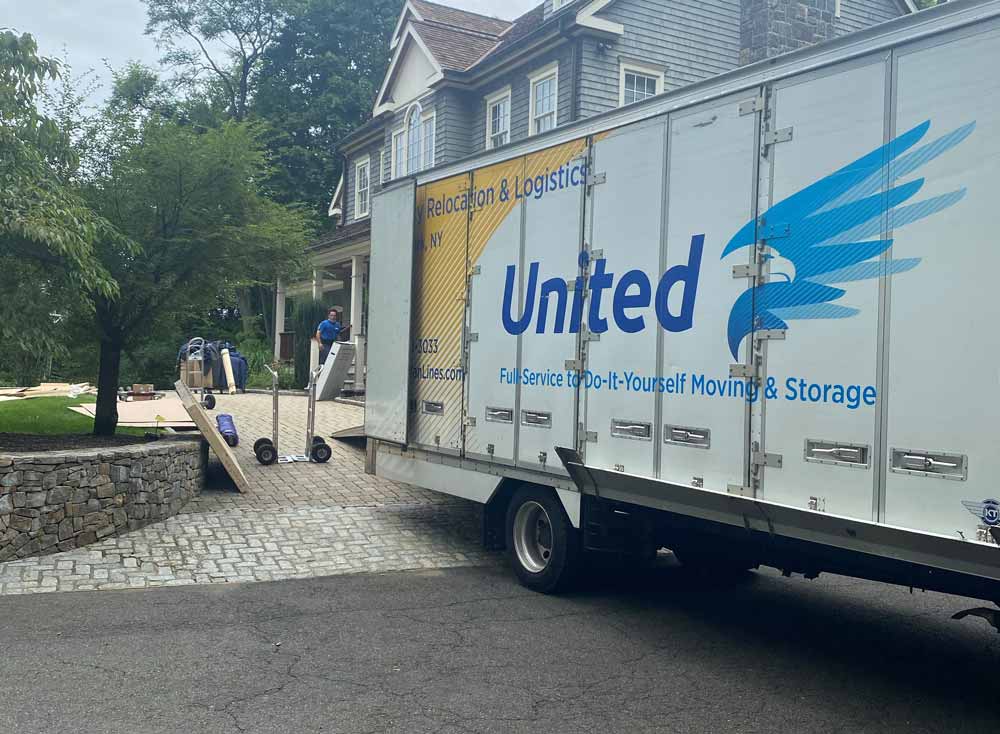
Key Takeaways

Define key needs like affordability, climate, and lifestyle.

Research housing, healthcare, and safety data.

Align job opportunities with career goals.

Compare living expenses across states.

Match cultural and recreational options with preferences.

Evaluate climate, risks, and geography.

Visit and experience locations firsthand.

Finding the best state to live in requires thoughtful research and planning. With so many factors to consider—like cost of living, job opportunities, lifestyle, and climate—breaking the process into manageable steps can make the decision more informed and less overwhelming. 

Here are seven essential steps to help identify the state that best aligns with individual needs and priorities, ensuring a smooth transition to a place that truly feels like home.


7 Essential Steps to Find Your Ideal State

1. Identify Priorities and Preferences

Researching the best states to live in begins with understanding individual priorities and preferences. Choosing the right state is a personal decision that depends on factors ranging from financial stability to lifestyle aspirations. A clear assessment of these elements ensures a structured approach to the decision-making process.

Understand Key Factors

To narrow down options effectively, individuals should evaluate critical factors that define their ideal living conditions.

  • Cost of Living: Includes housing, utilities, groceries, and transportation costs. States with lower cost-of-living indexes may appeal to those looking to maximize savings or live comfortably on a modest income.
  • Job Opportunities: The availability of employment in one’s field and the strength of a state’s economy are essential. Consider unemployment rates, the presence of key industries, and opportunities for career growth.
  • Lifestyle and Community: Includes factors like cultural attractions, recreational activities, and overall pace of life. A state with vibrant urban areas might suit some, while others may prefer quiet rural settings or family-friendly suburbs.


2. Gather Data on Key Metrics

When researching the best states to live in, evaluating key metrics is essential for making an informed decision. Analyzing factors like housing affordability, healthcare, education, and safety provides valuable insights into the quality of life each state offers. 

Evaluating Healthcare Quality and Accessibility

Healthcare quality and accessibility are vital considerations when searching for the best states to live in. States with robust healthcare systems contribute to a better quality of life.

  • Number of Hospitals: Check the availability of hospitals and medical facilities within each state.
  • Health Insurance Coverage: Investigate the percentage of insured residents and the availability of public health programs.
  • Healthcare Costs: Compare the average out-of-pocket expenses for medical treatments and prescriptions.
  • State Health Rankings: Review annual health reports for a comprehensive view of public health metrics in each state.


Assessing Education Standards

For families or individuals pursuing higher education, the quality of a state’s education system can be a deciding factor. Education metrics reflect opportunities for academic and personal growth.

  • K-12 School Ratings: Look into statewide rankings for elementary, middle, and high schools based on standardized testing and graduation rates.
  • Higher Education Options: Evaluate the presence of reputable universities, colleges, and trade schools.
  • Student-to-Teacher Ratios: A lower ratio often indicates more personalized instruction in classrooms.
  • State Education Spending: Research per-pupil spending as a measure of investment in education quality.


Reviewing Safety and Crime Rates

Safety is a top priority when exploring the best states to live in. A safe environment fosters peace of mind and long-term satisfaction.

  • Crime Statistics: Examine both violent and property crime rates using data from the FBI’s Uniform Crime Reporting Program.
  • Natural Disaster Risks: Investigate the frequency of hurricanes, earthquakes, or other environmental risks.


3. Evaluate Job Market Opportunities

The job market is a critical factor when determining the best states to live in, especially for those prioritizing career growth and financial stability. Analyzing employment rates, industries, and average salaries can provide insights into which states align best with personal career goals.

Understand Employment Rates

To narrow down options effectively and identify the best states to live in, individuals should evaluate critical factors that define their ideal living conditions. By carefully assessing these elements, one can make an informed decision tailored to personal needs and priorities.

  • Unemployment Rate Trends: A consistent decline in unemployment rates over recent years signals economic growth and stability.
  • State-Specific Variations: Some states have higher employment rates in specialized fields, which may align with specific professions or industries.


Research Dominant Industries

Each state’s economy is shaped by its dominant industries. Understanding these sectors helps in identifying best states to live in that support specific career paths.

  • Technology Hubs: States like California and Washington are renowned for their thriving tech industries, offering numerous opportunities in software, hardware, and innovation.
  • Healthcare Excellence: States such as Massachusetts and Minnesota have robust healthcare sectors, making them ideal for medical professionals.
  • Manufacturing and Agriculture: Midwestern states, including Indiana and Iowa, are strong in manufacturing and agriculture, catering to those in these industries.
  • Financial Services: New York has a thriving financial sector, making it appealing for careers in banking and finance.


Compare Average Salaries

While high salaries may be appealing, it is essential to compare them against the cost of living in each state. This provides a realistic view of income potential and financial stability in the best states to live in.

  • High-Earning States: States like New York and California often boast higher average salaries but also have a higher cost of living.
  • Balanced Options: States such as Texas and Colorado offer competitive salaries with a relatively moderate cost of living, providing a balanced financial scenario.
  • Industry-Specific Wages: Investigate how specific professions are compensated in different states. For instance, engineers may find higher salaries in states with a focus on technology or energy industries.


4. Analyze the Cost of Living

Understanding the cost of living is a crucial step in finding the best states to live in. A comprehensive analysis of expenses such as housing, transportation, utilities, and taxes can provide a clearer picture of how far a budget will stretch in different locations. 

Study Average Costs for Key Categories

Researching average costs across various expense categories allows for a detailed comparison of living conditions in different states.

  • Housing Costs: This includes average rent or home prices, property taxes, and home insurance rates. Housing is often the largest expense for most people, and its affordability varies widely across states. For instance, the best states to live in like Connecticut and Massachusetts typically have lower home prices compared to high-cost states like California or Hawaii.
  • Transportation Costs: Evaluate expenses such as gas prices, public transit fares, vehicle maintenance costs, and commuting distances. States with robust public transit systems, like New York or Massachusetts, may reduce car-related expenses, while more rural areas may rely heavily on personal vehicles.
  • Utility Costs: Consider costs for electricity, water, natural gas, and internet services. Utility prices are influenced by climate, energy policies, and infrastructure, with southern states often seeing higher cooling costs in summer.
  • Taxes: Research state income tax rates, sales taxes, and property taxes. For example, states like Texas and Florida have no state income tax, which can significantly impact take-home pay.


5. Consider Lifestyle and Culture

Choosing the best states to live in involves more than just economic and geographic factors. Lifestyle and culture play a significant role in determining a state’s livability and alignment with personal preferences. 

Researching Community Vibes

The character of a community can make a significant difference in day-to-day satisfaction. Evaluating the social atmosphere and local values helps individuals find the best states to live in that align with their priorities and comfort levels.

  • Urban vs. Rural Atmosphere: States often have a mix of urban and rural areas, and each comes with a distinct lifestyle. Urban settings typically offer vibrant nightlife, diversity, and convenience, while rural areas provide peace, natural beauty, and tight-knit communities.
  • Diversity and Inclusivity: For those seeking multicultural environments, states with diverse populations may provide a more inclusive and enriching experience.
  • Local Values and Social Norms: Some states are known for their progressive outlook, while others uphold traditional values. Understanding these can help avoid cultural mismatches.


Exploring Recreational Activities

Recreational opportunities vary widely across the best states to live in. Assessing these options is crucial for individuals who prioritize work-life balance and leisure activities.

  • Outdoor Activities: States with access to mountains, beaches, or national parks appeal to nature lovers, hikers, and adventurers. For instance, Colorado is ideal for skiing, while California offers year-round beach activities. When identifying the best states to live in, outdoor opportunities often play a vital role in personal satisfaction.
  • Sports and Fitness: Sports enthusiasts may prefer states with robust professional teams, college athletics, or community fitness programs. States like Texas and Pennsylvania often boast strong sports cultures.
  • Family-Friendly Recreation: Families may look for states with amusement parks, family-oriented events, or safe public spaces like playgrounds and zoos. These features can strongly influence the decision when choosing the best state to live in, ensuring both adults and children can enjoy their surroundings.


6. Assess Climate and Geography

Assess Climate and Geography

When considering the best states to live in, climate and geography play a significant role. Both the weather and the natural environment directly influence daily life, recreation, and long-term well-being. 

Seasonal Weather Patterns

Understanding a state’s seasonal weather patterns is crucial for determining long-term comfort and adaptability. Different regions offer vastly different climates, ranging from year-round warmth to four distinct seasons.

  • Temperature Ranges: Research average summer and winter temperatures to understand how extreme or mild the seasons are. For instance, southern states like Florida and Texas offer mild winters but intense summer heat, while northern states like Minnesota have cold, snowy winters but pleasant summers. This information is essential when selecting the best states to live in, particularly for individuals with specific climate preferences.
  • Rainfall and Snowfall: Analyze annual precipitation levels, especially if activities like skiing or gardening are priorities. States in the Pacific Northwest, such as Washington and Oregon, experience significant rainfall, while states like Arizona are known for their arid climates.
  • Seasonal Changes: Evaluate how distinct the seasons are. States like Vermont and Colorado offer vibrant fall foliage and snowy winters, which might appeal to those who enjoy seasonal variation. Such attributes are a key consideration when identifying the best states to live in for individuals seeking diverse weather experiences.


Natural Disaster Risks

Natural disaster potential varies by region and can significantly impact the safety and property value in a state.

  • Hurricanes: Coastal states such as Florida, Louisiana, and South Carolina are particularly vulnerable to hurricanes during specific times of the year. Since 1980, hurricanes have caused over $1.3 trillion in damages, with each event averaging $22.8 billion in losses. If you’re considering moving to one of these areas, it’s essential to be aware of the risks and plan for mitigation strategies to protect yourself and your property.
  • Tornadoes: States in the Midwest, such as Kansas and Oklahoma, lie in “Tornado Alley,” making them frequent targets of severe weather.
  • Earthquakes: West Coast states like California are known for their seismic activity, with risks varying based on proximity to fault lines.
  • Wildfires: Dry, forested states, particularly in the western U.S., such as Colorado and California, face recurring wildfire threats.
  • Flooding: Low-lying states like Louisiana and Mississippi are susceptible to floods, especially in hurricane-prone zones.


7. Visit and Test the Waters

Relocating to a new state is a significant decision, and exploring the area firsthand can provide invaluable insights. While online research is essential, nothing compares to experiencing the environment, culture, and daily life in person. 

Plan Exploratory Trips

Visiting potential states requires strategic planning to make the most of the experience. Proper preparation ensures the trip is both informative and enjoyable, ultimately helping in the decision-making process to identify the best states to live in.

  • Identify Key Cities or Areas to Explore: Focus on regions within the state that align with personal goals, such as career hubs, family-friendly neighborhoods, or vibrant cultural centers.
  • Schedule Visits During Peak Seasons: Choose times of the year that showcase the state’s typical climate and lifestyle conditions. This approach offers a realistic perspective on living conditions, helping evaluate the best states to live in from a seasonal and practical standpoint.
  • Research Local Events and Activities: Attend community gatherings, fairs, or cultural festivals to gain insight into the local vibe and lifestyle options.
  • Plan a Budget for the Trip: Factor in travel, accommodation, food, and any planned activities to avoid financial surprises. Staying within budget ensures the trip remains focused and stress-free while exploring the best states to live in.


Interact with Locals

Engaging with residents provides firsthand information that cannot be gleaned from data alone. Conversations with locals help uncover hidden gems and potential challenges in the area, making it easier to decide on the best states to live in.

  • Speak to Diverse Groups: Engage with individuals from various walks of life, such as professionals, parents, students, and retirees, to gain a well-rounded perspective.
  • Visit Community Spaces: Spend time in popular areas like parks, libraries, and coffee shops to observe daily life and interact naturally with residents.
  • Ask Specific Questions: Inquire about topics like the quality of schools, local government efficiency, recreational opportunities, and any regional challenges.
  • Explore Online Local Forums Before Visiting: Join community groups or forums for additional context on what to look for during the trip. These digital platforms offer preliminary insights that guide exploration and support choosing the best states to live in effectively.


Assess the Potential Fit

After gathering impressions and insights, evaluate whether the state aligns with personal needs and preferences. Observations made during the visit should play a significant role in deciding if it’s one of the best states to live in.

  • Evaluate Daily Commutes and Transportation: Test public transport systems, road conditions, and traffic patterns to understand the ease of getting around.
  • Observe the Cost of Everyday Living: Visit grocery stores, restaurants, and service providers to gauge the affordability of essentials.
  • Examine Community Atmosphere: Reflect on the sense of safety, friendliness, and inclusivity experienced during interactions.
  • Review Amenities and Infrastructure: Take note of nearby healthcare facilities, educational institutions, and recreational centers.


Frequently Asked Questions

What resources can help me compare different states?

Several online tools and resources can simplify comparing states, such as cost-of-living calculators, crime rate databases, and state ranking reports. Websites like U.S. News, WalletHub, and Kiplinger often publish state-by-state comparisons for housing, healthcare, and education. The U.S. Census Bureau provides detailed demographic and economic data, while niche forums and local groups offer personal insights. Social media and online communities can also connect you with current residents for firsthand opinions. 

How does population density impact my living experience?

Population density affects factors like traffic, housing availability, and access to amenities. States with high-density areas, such as New York and California, provide vibrant city life but often come with congestion and higher living costs. Lower-density states like Montana or Wyoming offer peace and solitude but may lack diverse entertainment or job options. Consider your preference for urban, suburban, or rural living to balance population density with convenience. 

What are the advantages of moving to a less populated state?

Less populated states like Wyoming and North Dakota offer quieter lifestyles, reduced traffic, and often lower costs of living. These states also provide opportunities for outdoor recreation and closer-knit communities. You may find more affordable housing and a slower pace of life that promotes work-life balance. However, they might lack big-city amenities or diverse job markets, which could be a drawback for some.

How can I decide between two equally appealing states?

To decide between two appealing states, create a pros and cons list for each, considering factors like cost, job market, and personal preferences. Visit both states, if possible, to experience the lifestyle and community firsthand. Consider long-term goals, such as career advancement or retirement plans, and how each state supports them. Talking to residents or joining local social media groups can provide insider perspectives..

What are the typical costs associated with moving to another state?

The costs of moving include expenses like hiring movers, renting a moving truck, or shipping belongings. Additional costs include gas, airfare, temporary accommodations, and utility connection fees in your new home. If you’re renting or buying, you may also face deposits, closing costs, or down payments. Factor in unexpected expenses, such as repairs or new furniture, to avoid surprises.

Move to the Best State to Live In with Clancy Relocation & Logistics!
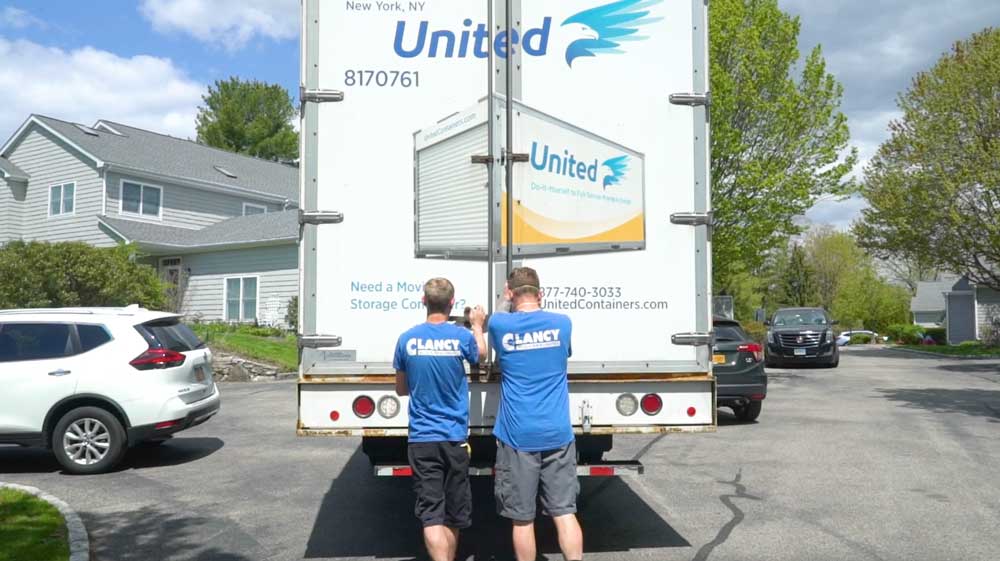
Relocating to or from Massachusetts is made simple and stress-free with Clancy Relocation & Logistics. Whether it’s a local move within Massachusetts or a transition to one of the best states to live in, Clancy’s expert team ensures every detail is handled with precision and care. From professional packing to secure transportation, every step is tailored for a smooth and efficient experience. 

Begin the journey to your new home in the best state to live in today with Clancy Relocation & Logistics—the trusted partner for seamless moves in Massachusetts and beyond.

Connecticut consistently ranks among the best states to live in, offering a unique blend of cultural heritage, economic opportunity, and natural beauty. With a high standard of living, excellent education options, and easy access to major metropolitan areas, it appeals to families, professionals, and retirees alike.

Here are the seven factors that make Connecticut a standout choice.

Table of Contents

1. Quality Education System

2. Robust Economy

3. Beautiful Scenery and Natural Attractions

4. Proximity to Major Cities

5. Low Crime Rates

6. Rich Cultural and Historical Heritage

7. High Standard of Living

Frequently Asked Questions

Discover a New Home in CT with Clancy Relocation & Logistics!

 

1. Quality Education System

quality education system

Connecticut takes pride in its exceptional education system, which is a cornerstone of its reputation as one of the best states to live in. From public schools to prestigious universities, education is a priority across the state.

Features of the Education System

  • Renowned Public and Private Schools: Connecticut consistently ranks high in national education assessments, with public schools excelling in academics, arts, and sports. Private institutions offer specialized programs and small class sizes.
  • Prestigious Universities: The state is home to Yale University, one of the top Ivy League schools in the world, alongside other respected institutions like the University of Connecticut and Wesleyan University.


2. Robust Economy

Robust Economy

A thriving and diverse economy further solidifies Connecticut’s position among the best states to live in. The state is a hub for industries that drive innovation and offer ample job opportunities.

Key Economic Highlights

  • Diverse Job Opportunities: Major sectors include finance, valuation, technology, manufacturing, and healthcare, providing a broad range of career paths.
  • Global Industry Leaders: Connecticut hosts several Fortune 500 companies, such as United Technologies and Travelers Valuation, making it a prime location for ambitious professionals.


3. Beautiful Scenery and Natural Attractions

Beautiful Scenery and Natural Attractions

Connecticut’s natural beauty is a compelling reason why many consider it one of the best states to live in. With its charming coastline, vibrant seasons, and lush landscapes, it offers plenty for outdoor enthusiasts and those seeking tranquility.

Notable Attractions and Features

  • Scenic Coastline: Stretching along Long Island Sound, Connecticut offers stunning beaches, quaint harbor towns, and opportunities for sailing and fishing.
  • Picturesque Towns and Countryside: Small towns like Mystic and Essex showcase classic New England charm, while rural areas boast rolling hills and forests ideal for hiking and biking.
  • Seasonal Beauty: From breathtaking fall foliage to serene snow-covered landscapes in winter, the state celebrates the changing seasons in style.


4. Proximity to Major Cities

Proximity to Major Cities

One of Connecticut’s standout features is its strategic location, providing residents with easy access to major metropolitan areas. This connectivity enhances career opportunities, entertainment options, and travel convenience.

Advantages of the Location

  • Proximity to New York City and Boston: Connecticut is nestled between two iconic cities, making it perfect for commuters and those who want to enjoy city life without the high living costs.
  • Efficient Transportation Infrastructure: With a robust network of highways, commuter rail services, and regional airports, travel is seamless.


5. Low Crime Rates

Safety is a top priority for individuals and families considering the best states to live in, and Connecticut delivers. It boasts some of the lowest crime rates in the nation, making it an appealing choice for those seeking a secure environment. In fact, Connecticut boasts the fourth-lowest violent crime rate in the nation, with just 150 incidents per 100,000 residents.

Key Aspects of Safety

  • Safe Neighborhoods and Communities: Towns like Ridgefield and Newtown stand out for low crime and welcoming environments. Ridgefield, the safest city in Connecticut, reported zero violent crimes, while Newtown ranks second for safety.

Highlights of Connecticut’s Safest Cities:

  • Ridgefield Leads Again: Ridgefield remains Connecticut’s safest city for the second year in a row.
  • Newtown Rises to Second: Newtown climbed one spot to rank as the second safest city this year.
  • Drop in Violent Crime: Ridgefield, Wallingford, New Milford, and Torrington saw declines in violent crime rates compared to last year.
  • Ridgefield’s Impressive Stats: Ridgefield reported zero violent crimes and just 34 property crimes, the lowest in the state.
  • Fewest Burglaries: Ridgefield (2) and Simsbury (9) recorded fewer than 10 burglaries, showcasing exceptional safety.


6. Rich Cultural and Historical Heritage

Rich Cultural and Historical Heritage

Connecticut’s deep-rooted cultural and historical significance adds to its appeal as one of the best states to live in. The state offers diverse activities for history buffs, art lovers, and cultural enthusiasts.

Highlights of Cultural Attractions

  • Museums and Historic Sites: Connecticut has landmarks like the Mark Twain House, Mystic Seaport Museum, and Wadsworth Atheneum, offering insights into American history and culture.
  • Vibrant Arts Scene: Residents can enjoy Broadway-caliber productions at regional theaters, art galleries, and annual cultural festivals celebrating local talent.


7. High Standard of Living

A high standard of living rounds out the factors that make Connecticut one of the best states to live in. With excellent healthcare, a balanced lifestyle, and strong community ties, the state is well-suited for residents at every stage of life.

Components of the Standard of Living

  • Excellent Healthcare Facilities: Connecticut is home to top-rated hospitals and specialized care centers, ensuring residents have access to quality medical care.
  • Balanced Urban and Suburban Living: The state offers a mix of bustling cities like Stamford and Hartford alongside serene suburban areas, providing options to suit different lifestyles.
  • Strong Sense of Community: Local events, farmers’ markets, and recreational activities foster a close-knit and supportive environment.


Frequently Asked Questions

What is the cost of living in Connecticut? 

The cost of living in Connecticut is approximately 13% above the national average. Housing costs are notably higher, at about 23% above average, while utility expenses exceed the national average by 31%. Necessities like groceries are around 2% more expensive, and clothing costs are roughly 10% higher. Healthcare services, including doctor visits and dental care, are 9% more expensive compared to the national average. Additionally, non-essential expenses such as entertainment and personal grooming services tend to be 10% higher, reflecting the state’s overall elevated cost of living.

What kind of housing options are available in Connecticut?

Connecticut offers diverse housing options, from colonial-style homes in historic towns to modern apartments in urban areas. Coastal towns provide waterfront properties, while rural areas offer spacious and affordable living. Suburban neighborhoods cater to families with safe communities and great schools. Luxury homes are common in affluent areas, while cities like New Haven have affordable rentals. The state has options for every lifestyle and budget.

What outdoor activities are available in Connecticut?

Connecticut is ideal for outdoor enthusiasts, offering hiking, biking, and boating opportunities. The state’s coastline is perfect for beach outings, fishing, and sailing. Inland, there are state parks like Sleeping Giant and Talcott Mountain for hiking and picnics. Winter sports, like skiing and snowshoeing, are also popular. Connecticut’s natural beauty makes outdoor recreation accessible year-round.

How is Connecticut’s food scene?

Connecticut is famous for its culinary diversity, including its signature New Haven-style pizza. The state boasts coastal seafood specialties like lobster rolls and clam chowder. Farmers’ markets and local eateries highlight fresh, seasonal ingredients. International cuisines are widely available, particularly in urban areas. Food lovers enjoy a rich variety of dining options across the state.

What makes Connecticut family-friendly?

Families thrive in Connecticut thanks to excellent schools, safe neighborhoods, and family-friendly activities. Parks, museums, and community centers cater to children of all ages. Suburban areas like West Hartford and Fairfield offer a balanced lifestyle with access to amenities. Healthcare and childcare services are widely available. Connecticut’s family-oriented focus makes it ideal for raising children.

Discover a New Home in CT with Clancy Relocation & Logistics!
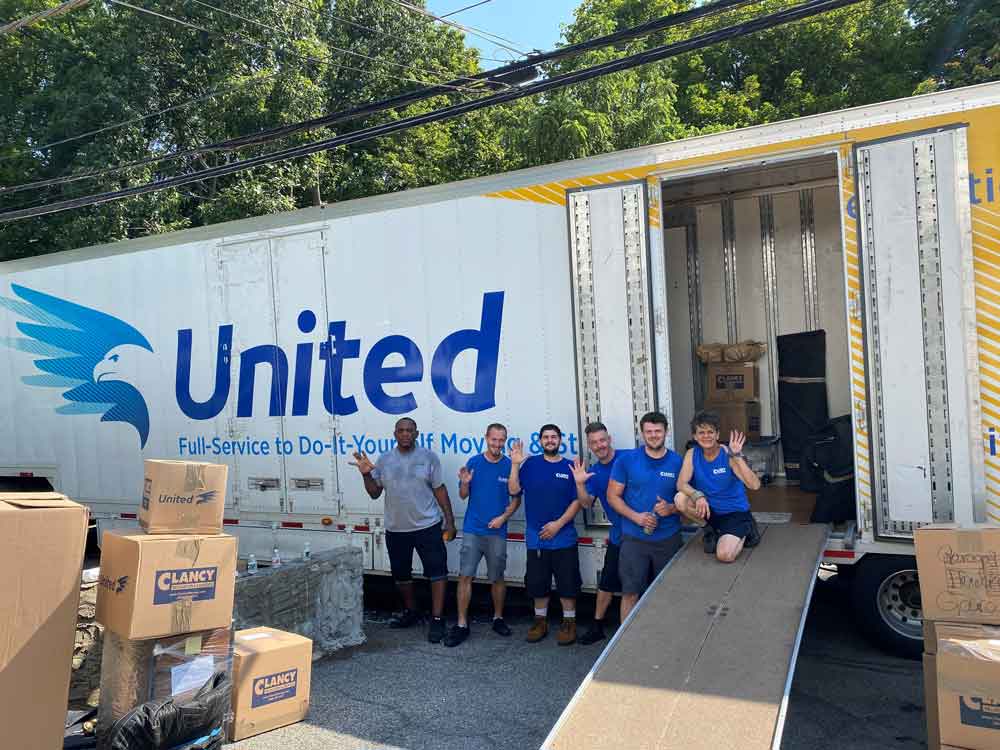
Connecticut with Clancy Relocation and Logistic

A move to CT becomes effortless with the professional services of Clancy Relocation & Logistics. From the safety of Ridgefield to the charm of Newtown, and across Connecticut’s picturesque towns, Clancy delivers reliable and tailored moving solutions. With every detail managed with precision, the transition to a new home in CT is smooth and worry-free.

Clancy Relocation & Logistics ensures a seamless process for those choosing CT, celebrated as one of the best states to live in. Begin the next chapter with confidence by partnering with a trusted relocation expert.

Contact Clancy Relocation & Logistics now!